
Soil-nerd corner: fungi vs bacteria in compost (and why mushrooms matter)
Most home compost systems are bacteria-dominated.
That’s not wrong — bacteria are brilliant at breaking down:
-
soft kitchen scraps
-
green waste
-
sugars and starches
But bacteria struggle with tougher materials like:
-
woody stems
-
cardboard
-
straw
-
lignin-rich plant fibres
That’s where fungi come in.
🍄 What fungi do differently
Fungi (via mycelium) produce enzymes that bacteria can’t.
They break down complex carbon compounds and move nutrients through soil in long, connected networks.
In compost, fungal activity:
-
slows things down slightly but improves quality
-
creates stable carbon rather than fast-burn losses
-
improves crumb structure and moisture holding
-
feeds soil life further up the food web
This is why woodland soils — which are fungi-rich — are dark, springy, and resilient.

🧫 Where mushroom kits fit in
When you grow mushrooms, the kit has already done serious fungal work:
-
lignin partially broken down
-
fibres softened
-
nutrients unlocked
Adding spent mushroom substrate to compost, Bokashi, or worm systems:
-
shifts the balance away from bacteria-only compost
-
increases fungal diversity
-
improves long-term soil structure rather than just short-term feed
It’s pre-processed carbon — exactly what compost systems need more of.

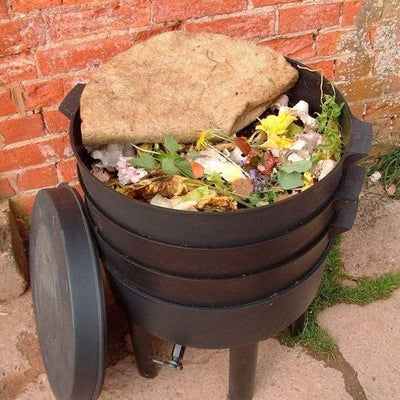
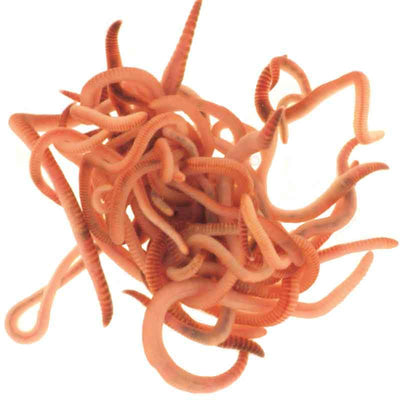
🪱 Fungi + worms = soil upgrade
Worms don’t eat soil — they eat microbes.
Fermented Bokashi waste + fungal material from mushroom kits gives worms:
-
easier-to-digest food
-
better moisture balance
-
more diverse microbial populations
The result is:
-
richer worm casts
-
better aggregation
-
improved nutrient availability
🌍 Why this matters in real gardens
Most veg gardens are bacteria-heavy and burn through nutrients quickly.
Introducing fungi helps:
-
reduce nutrient leaching
-
support deeper-rooted plants
-
improve drought resilience
-
build soil that improves year on year
This isn’t about being clever — it’s about working with biology instead of fighting it.
🧠 In plain English
Bacteria are sprinters.
Fungi are builders.
Good compost needs both.
Mushroom kits quietly tip the balance in the right direction.