
Mid-May… and yet it still feels more like early spring at times.
I completely understand why the RSPB talk about being careful with feeding birds during the warmer months. Good hygiene and procedures around feeders is really important, especially where diseases can spread between birds gathering closely together.
But perhaps what’s becoming more important now is encouraging people to observe the seasons, the weather and the birds in front of them — rather than thinking nature always follows fixed calendar dates.
This May has been unusually cold and unsettled at times across much of the UK, with sudden temperature drops, rain and even hailstorms. Meanwhile, birds are in one of the busiest and most demanding periods of the year, feeding young while trying to keep themselves in good condition too.
For us, the answer isn’t “always feed” or “never feed”.
It’s sensible feeding.
Small amounts.
Clean feeders.
Fresh water.
Moving feeding stations occasionally.
Supporting insects and natural habitat.
Watching what the birds are actually doing in your own garden.
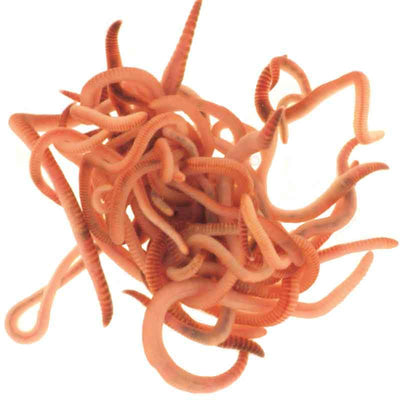
Young birds especially need moisture and protein-rich foods at this time of year, which is why the RSPB still recommends LIVE mealworms as a really useful supplementary food during the breeding season.

We’ve actually put together a very special Wiggly Wigglers Live Mealworm Starter Kit to help people get going properly, and our live mealworms are also on Deal of the Month at the moment if you already feed regularly.
And if you’d rather support birds with high-energy foods, this is also a great time to set up a suet feeder with Flutter Butter or some quality suet balls.

The main thing is helping people feel confident, informed and connected to wildlife — because gardens really do matter more than ever.