
Worm composting is one of the most effective ways to turn kitchen waste into living soil, using biology rather than heat, machinery or chemicals.
It relies on compost worms and the microbial life they work alongside to convert food waste into stable, biologically active organic matter. Used well, it fits neatly into kitchens, gardens, compost heaps and soil systems, keeping nutrients local and useful.
What follows explains how worm composting works, how to choose the right wormery for your space, and how worms support composting and soil health as part of a wider nutrient cycle.
What worm composting actually is
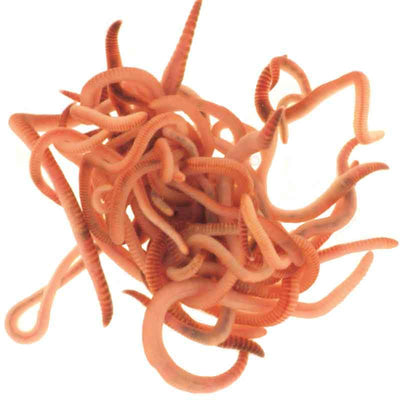
Worm composting (vermicomposting) uses surface-dwelling compost worms — not deep-burrowing garden worms — to process organic waste.
These worms evolved to live in decomposing material such as leaf litter and manure. They work alongside a complex community of:
-
bacteria
-
fungi
-
protozoa
-
other soil organisms
Together, this living system converts kitchen waste into:
-
worm compost (vermicompost)
-
liquid nutrients
-
stable organic matter
Unlike hot composting, worm composting is a low-temperature biological process. Nutrients are transformed and buffered by biology rather than driven off as heat or gas.
Why worm compost is so valuable
Worm compost is valued for how nutrients are delivered, not just for their presence.
Worm casts contain:
-
plant-available nutrients in gentle, buffered forms
-
diverse microbial populations
-
humic substances that improve soil structure
-
enzymes and natural growth compounds
Because nutrients are released slowly, worm compost improves plant growth without scorching, while also increasing water retention, aggregation and resilience in soil.
This is why vermicompost is used as a soil conditioner, not a fertiliser.
As Charles Darwin observed:
“It may be doubted whether there are many other animals which have played so important a part in the history of the world as these lowly organised creatures.”
He was talking about earthworms — and their role in soil formation.
Worm composting works best as part of a system
Worms are highly effective, but they work best when the wider system supports them.
They thrive when:
-
food inputs are steady rather than dumped
-
moisture is managed (damp, not wet)
-
oxygen is available (wormeries must never be airtight)
-
temperatures are reasonably stable
-
the material is biologically welcoming
This is why worm composting works particularly well alongside:
-
bokashi fermentation
-
compost heaps
-
soil beds and raised beds
Each stage makes the next one calmer and more predictable.
Choosing the right worm composting kit
The right wormery is the one that fits your space and routine, not the one that promises the most.
All wormeries need shelter. They don’t need to live indoors, but they do need protection from direct rain, frost and strong sun. A shed, garage, greenhouse or simply a roofed outdoor area is ideal.
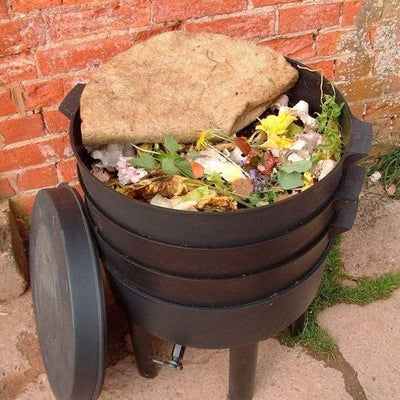
Compact Worm Farm

The Compact Worm Farm is a stacked-tray system designed for steady household use.
It suits:
-
regular kitchen waste
-
people who want easy harvesting of worm compost
-
placement in a shed, garage, utility or greenhouse
Its design provides:
-
good airflow (worms breathe through their skin)
-
drainage for excess liquid
-
insulation between trays
-
plenty of surface area for feeding
It’s a reliable, forgiving system and a good choice for most households and very popular. It’s a very simple design and adding an extra tray makes it a good hassle free workhorse.
Urbalive Worm Farm

The Urbalive Worm Farm is larger than the Compact and designed for people who want worm composting close at hand. Again you can add an extra tray to help your worms handle more waste.
It works well for:
-
sheltered outdoor spaces
-
kitchens and utility rooms
-
households producing slightly more food waste
Like all wormeries, it requires:
-
airflow
-
drainage
-
shelter from temperature extremes
The key with the Urbalive is allowing worms time to settle. Once established, it runs quietly and cleanly with steady feeding.
In-ground wormeries: feeding the soil directly

An in-ground wormery feeds worms directly in the soil, rather than producing compost to move elsewhere.
They are particularly useful for:
-
raised beds
-
greenhouses
-
new or compacted soils
-
areas needing local improvement
Food waste is added little and often. Worms and soil life process it gradually, moving nutrients outwards through the soil profile where plants can access them. Because there is a limited capacity it’s a really good idea to chop your waste - up which means there is more surface area making it easier for the worms to compost it.
Adding worms to compost heaps

Once a compost heap has passed its hot phase and begins to cool, it becomes an ideal habitat for compost worms.
Adding worms at this stage:
-
improves nutrient retention
-
speeds stabilisation
-
increases microbial diversity
-
produces finer, more biologically active compost
This works especially well when food waste has been fermented first, making it easier for worms and microbes to finish the job.
Worms don’t replace composting.
They complete it.
What worms need to thrive
Worm composting isn’t about control — it’s about conditions.
Worms need:
-
moisture like a wrung-out sponge
-
oxygen
-
gentle feeding
-
stable temperatures
-
time
Most problems come from:
-
overfeeding
-
excess liquid
-
disturbing the system too often
-
expecting instant results
When conditions are right, worm populations regulate themselves.
Why worm composting matters
Worm composting keeps nutrients local, visible and useful.
It:
-
reduces food waste
-
builds soil health
-
supports plant resilience
-
reduces reliance on bought-in inputs
Handled properly, worm composting isn’t about managing waste — it’s about building soil.