
If you’ve ever spotted a few wiggly friends wriggling through your garden soil after a good rain, you’ve already seen some of the best gardeners at work. Earthworms are the unsung heroes of healthy soil — quietly aerating, enriching, and transforming even the toughest patches into fertile ground.
Let’s dig into what they do, why your garden needs them, and how to keep them happy in any type of soil.
Why Every Garden Needs Worms
Adding worms to your garden is one of the simplest ways to supercharge your soil’s health. These little recyclers feed on decaying organic matter, breaking it down into nutrient-rich castings (yes, worm poo!) that plants absolutely love.
As they burrow through the earth, they create tunnels that improve air flow and drainage — giving roots more oxygen and helping rainwater soak in rather than run off. The result? Light, fluffy, nutrient-packed soil that’s bursting with life.
How Worms Work Their Magic

Worms are nature’s tillers. Instead of turning over your soil with a spade, let worms do the work for you. They munch their way through old leaves, compost, and other organic matter, digesting it into fine particles that release nutrients slowly over time.
Their tunnels also act like mini highways for air, water, and beneficial microbes — all vital ingredients for thriving plants. And because worms constantly move up and down through the soil, they mix everything together beautifully.
Will Worms Stay in My Garden?
Once you’ve added worms to your garden, they’ll stick around as long as conditions are right — moist, cool, and full of organic goodies to eat. A dry, bare patch of soil won’t hold their interest for long, but a bed covered with mulch or compost is irresistible.
So keep the soil damp (but not soggy), avoid harsh chemical fertilisers, and top up the organic matter regularly. Your worm population will grow naturally and keep working for you year-round.
How Many Worms Should You Add?

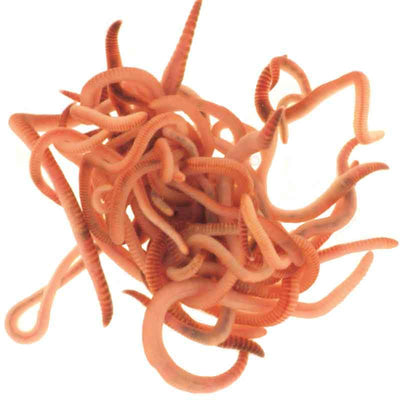
You don’t need a huge army to start with — even a small handful per square metre will begin improving your soil. Over time, they’ll reproduce and spread throughout the garden. If you’re keen to jumpstart the process, around 250–500 worms per square metre is ideal.
You can buy live composting worms like Eisenia fetida (tiger worms) or Dendrobaena veneta from reputable worm farms or garden centres. Alternatively, you can collect a few from a compost heap or damp leaf pile nearby — nature’s free supply!
Worms for Every Type of Soil
Good news: there’s no soil type that can’t be improved by worms. They’re adaptable little creatures, and with the right care, they’ll thrive just about anywhere.
Clay Soil
Clay can be dense and sticky, but worms will help break it up over time. Add plenty of compost and mulch to loosen it and provide food — they’ll aerate it and turn that heavy clay into a lovely crumbly texture.
Sandy Soil
In sandy soils, worms act like natural glue. They mix in organic matter, which helps the soil retain moisture and nutrients. Keep it covered with mulch to stop it drying out too quickly — worms prefer damp conditions.
Loamy Soil
If you’re lucky enough to have loam, worms will keep it in top condition. They help maintain that perfect balance of structure, drainage, and fertility — ensuring your plants always have what they need.
Chalky Soil
Worms can live quite happily in chalky soil, especially if you add extra compost or leaf mould. This helps hold moisture and balances the pH, creating a worm-friendly home.
Silty Soil
Silty soil tends to compact easily, but worms prevent that by tunnelling through it. Their movement keeps the structure open and improves drainage, while their castings add nutrients that feed your plants.
Worms in Raised Beds and Pots
Don’t think worms are only for the ground! Adding them to raised beds or large containers keeps the soil aerated and stops it from becoming compacted. Just remember — pots can dry out quickly, so keep the soil moist and topped up with compost.
Worms: The Gentle Gardeners
Worms don’t harm plants — quite the opposite. They never nibble live roots; instead, they eat decaying material and improve the soil around the roots, helping plants grow stronger and healthier.
Even if your soil is dry, compacted, or low in nutrients, worms can turn it around. Just start by mixing in compost or leaf mould to create a more inviting environment. Once the worms move in, they’ll do the rest.
The Final Wiggle
Whether your garden soil is sandy, sticky, or somewhere in between, earthworms are the quiet workers that make all the difference. By feeding them with compost and keeping their home damp and covered, you’ll soon notice your soil becoming softer, richer, and full of life.
So next time you see a worm wriggling through your patch, give it a silent thank-you — your garden will be thriving because of it.
Order our Wiggly Garden Worms online here https://www.wigglywigglers.co.uk/products/garden-worms