
There are some sounds you don’t forget.
Rob H sent these photos through this week and with them came the news we hope for…
He heard the first Turtle Dove on Friday.
By the weekend, three males were already “burring” — that soft, purring sound that used to drift across farmland every summer and now feels incredibly rare.
And then this… one of the males bowing and trying to court a Collared Dove.
Likely a young bird, back from migration, but struggling to find one of its own kind.

It’s lovely.
And it tells you quite a lot.
What Makes Turtle Doves So Special?
European turtle dove are not just another pigeon.
They are one of the UK’s only long-distance migratory pigeons, travelling thousands of miles from sub-Saharan Africa to breed here each summer.
A few things that make them remarkable:
– They’ve declined by over 95% in the UK in recent decades
– They are strictly seed eaters — they don’t rely on scraps or typical bird feeders
– Their call — that soft “burr” — is one of the most distinctive sounds of summer
– They mate for the season and are known as a symbol of love and fidelity
They’re gentle, understated birds — and easy to miss if you’re not looking or listening properly.
How to Recognise a Turtle Dove

Once you know what you’re looking for, they’re unmistakable:
– Smaller and more delicate than a Woodpigeon
– Warm, reddish-brown colouring
– Black “scaled” pattern on the wings
– A striking black-and-white striped patch on the side of the neck
– Fast, agile flight
And most often… you’ll hear them before you see them.
The Habitat They Actually Need (and Why They’re Struggling)
This is the bit that really matters.
Turtle Doves don’t just need “nature” — they need specific conditions:
– Seed-rich feeding areas
Think wildflowers, fumitory, chickweed, clover — not neat, tidy lawns
– Bare or open ground
They feed on the ground, picking seeds — they need access, not dense cover
– Dense hedgerows and scrub
Safe nesting sites, tucked away and undisturbed
– Water nearby
They drink regularly, especially in warm weather
Over time, we’ve cleaned up farmland and gardens — fewer weeds, fewer seeds, tighter hedges, more tidiness.
And in doing so, we’ve quietly removed what they rely on.
What You Can Do in Your Garden (Simple, Practical Stuff)
You don’t need acres to help — just a bit of thought.
– Let a corner go a bit wild
Allow seed-bearing plants to grow — resist the urge to tidy everything
– Feed the right food, in the right way
Turtle Doves feed on the ground, not hanging feeders
Scatter small seeds in a quiet, sheltered spot
– Use a suitable seed mix
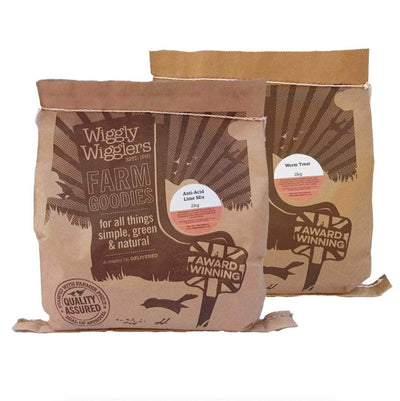
We’ve worked with our customers - and in particular Rob to create a Turtle Dove mix based on what they naturally eat — small seeds, no fillers, nothing flashy - just so that the focus is on the right seed in the right place.

– Keep disturbance low
Quiet corners matter — they are shy birds
– Provide water
A simple, clean water source can make a real difference
Why This Matters
Seeing one Turtle Dove is special.
Hearing three calling… that’s something else.
But watching one try to court the wrong species?
That’s a reminder of how thin on the ground they’ve become.
This isn’t about nostalgia.
It’s about whether the countryside — and our gardens — still work for the species that depend on them.
We’re trying to do our bit here — leaving margins, growing seed, building habitat into the farm rather than stripping it out.
And if enough of us do small things, in small spaces…
That soft, purring call might just become a bit more common again.
https://www.wigglywigglers.co.uk/products/turtle-dove-mix-6kg