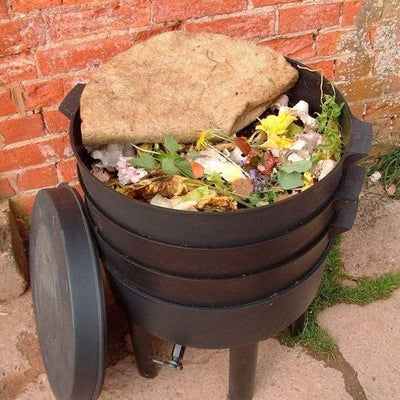

If you’re wondering how to improve the soil in raised beds, the key is not more digging or more products — it’s soil life. Many raised beds are filled with bought-in soil that looks fine but lacks worms, microbes and structure. Without these, nutrients don’t move properly, roots struggle, and veg plants never quite thrive. The simplest way to fix this is to add organic matter little and often, keep the soil covered, and make sure worms are present to do the work underground.

Start by adding a layer of well-rotted compost or mature worm compost to the surface once or twice a year — no digging needed. Keep the bed mulched with compost, leaf mould or straw to protect the soil, hold moisture and feed worms. Avoid synthetic fertilisers and heavy applications of fresh manure, as these can disrupt soil biology rather than improve it. Consistent moisture is also crucial — soil life shuts down quickly if raised beds dry out.
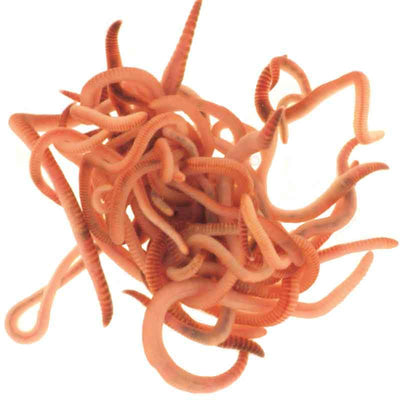
If your raised bed has few or no worms, improvement will be slow no matter how much compost you add. Worms are essential for breaking down organic matter, improving drainage and making nutrients available to plants. Adding a mix of garden worms and composting worms, such as the ones in our Worms for Raised Beds Kit, is an easy way to kick-start soil health. Once worms are established and the soil is kept fed and covered, raised beds usually improve year on year — with stronger plants, healthier roots and better harvests, without any hard work at all.