The Science
Composting is powered by biology.
Compost Culture contains a carefully selected blend of five beneficial Bacillus species, each chosen because it performs a different role during aerobic composting. Together they help support the natural breakdown of organic matter.
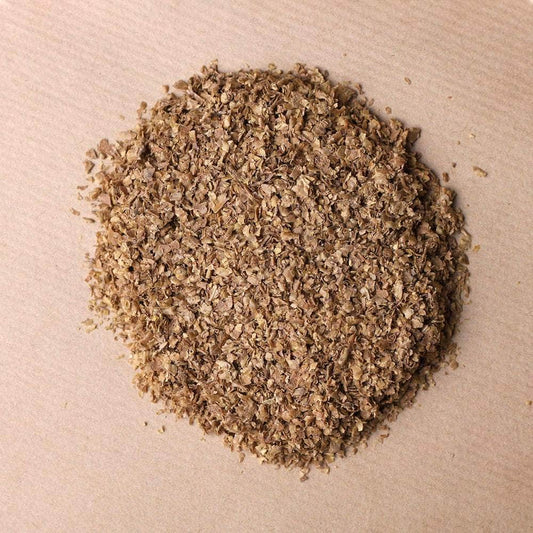
Every gram contains more than 10 million live Colony Forming Units (CFU) of beneficial microorganisms carried on a natural organic carrier.
These naturally occurring bacteria produce powerful enzymes that help break down:
Unlike many microbes, Bacillus species form highly resilient natural spores, allowing them to survive changing compost conditions before becoming active again when moisture returns. This helps maintain biological activity even if your compost heap temporarily dries or cools.
Meet Your Microbial Team
Bacillus subtilis
Helps kick-start decomposition while supporting a cleaner, more stable composting process.
Bacillus amyloliquefaciens
Excellent at breaking down tougher materials including leaves, shredded cardboard and woody garden waste.
Bacillus licheniformis
Produces natural enzymes that help keep composting moving and encourage the formation of mature, stable compost.
Bacillus megaterium
Helps unlock phosphorus from organic matter, supporting the nutrient value of your finished compost.
Bacillus mojavensis
A resilient species that helps maintain microbial activity when compost conditions become less than perfect, such as temporary drying or cooling.
Proven in a Real Compost Heap
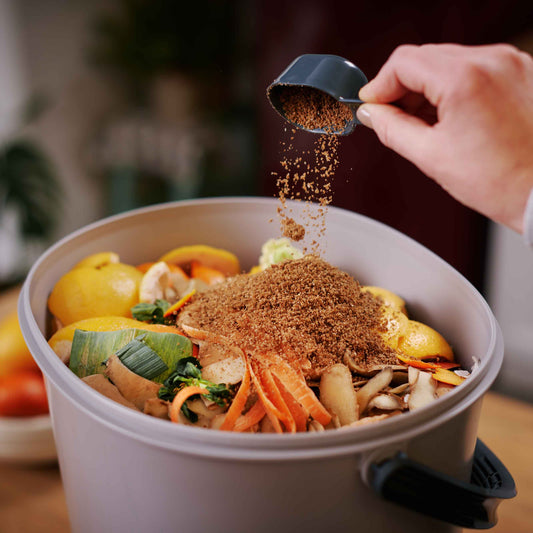
During a home composting trial using a standard 300-litre compost bin, Compost Culture was used with everyday kitchen scraps, grass cuttings, leaves, cardboard and small twigs.
The finished compost was:
✔ Dark brown to almost black
✔ Crumbly and soil-like
✔ Pleasantly earthy smelling
✔ With most original materials no longer recognisable
The trial concluded that the combination of good moisture, oxygen, regular additions of green and brown materials, together with Compost Culture, produced stable, mature, garden-ready compost.