
Quick signs you’re winning:
- Smells sweet / tangy / pickled
- Food looks preserved, not decomposed
- White mould = good (actinomycetes)
- Liquid draining = normal and useful
If you’re unsure, check this:
- No strong rotten smell
- No blue/green/black mould
- Food hasn’t turned to slime
What’s actually happening:
Bokashi is not composting — it’s fermentation.
The microbes:
- Lower the pH (acidic environment)
- Preserve nutrients
- Start breaking down structure
Think of it like:
→ silage for cows
→ or pickling veg
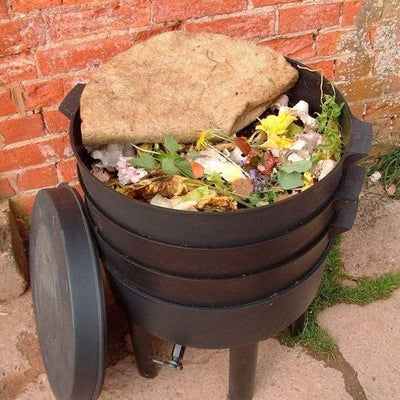
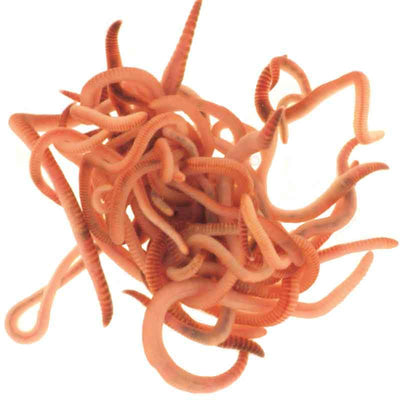
Nothing is “finished” yet — it becomes powerful when it hits soil or a wormery.
The Wiggly way:
- Trust the process — it often looks “unchanged”
- Use the liquid (diluted) as a microbial boost
- Bury or add to worms once full — that’s where the magic happens
Big picture:
Bokashi is step one of a biological chain:
Food → fermented → soil/worms → microbes → plants → life