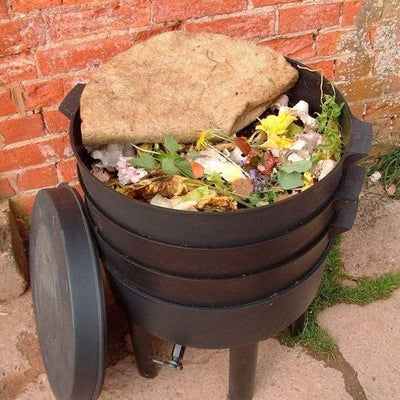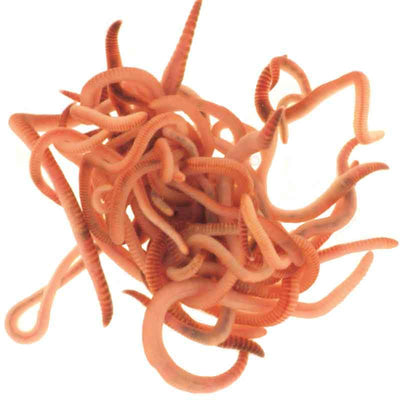

Starting a wormery is exciting — but the first fortnight can leave you peering under the lid wondering if everything is going to plan. If you’re seeing mould, wandering worms or you’re unsure when to add the next tray, don’t panic. These are all very common “settling in” stages.
Here’s a simple guide to help you feel confident in those early weeks.
Is Mould in a Wormery OK?
In short — yes, usually.
White, fluffy mould on vegetable scraps is a completely natural part of decomposition. Your worms don’t actually eat fresh food; they eat the microbes that break it down. So a little mould is part of the process.
However, if:
-
Food is heavily furry,
-
The worm mat is very mouldy underneath,
-
Or the contents feel soggy,
…it’s a sign your wormery may be a little too wet or being fed slightly too much.
What to do:
-
Remove any very mouldy or uneaten chunks.
-
Feed smaller amounts, little and often.
-
Always bury food under bedding.
-
Add a handful of dry cardboard or shredded paper to absorb excess moisture.
Balance is the key. A wormery should feel like a wrung-out sponge — damp, not dripping.
Why Are Worms in the Bottom Chamber?
Finding worms on the netting or in the sump tray can be alarming, but it’s very common in a new system.
Worms explore while they settle in. They’re simply looking for food and comfortable conditions.
If you find them in the bottom:
-
Gently pop them back into the feeding tray.
-
Check that conditions aren’t too wet.
-
Make sure food is buried to encourage them to stay higher up.
Once established, most worms remain where the food is.
When Should I Add the Next Tray?
This is one of the most common questions.
Only add the next tray when the first tray is around ¾ full of processed material.
Depending on temperature and feeding rates, this can take several weeks — even longer in cooler months.
When you’re ready:
-
Place the new tray on top.
-
Start feeding in the new tray.
-
Move the worm mat to sit on top of the active (new) tray.
The worms will naturally migrate upwards towards the fresh food.
What About a Mouldy Worm Mat?
If the underside of the mat is very mouldy:
-
Rinse it in rainwater or dechlorinated tap water.
-
Wring it out thoroughly.
-
Replace it so it’s just damp.
The mat should help regulate moisture — not add to excess wetness.
The Golden Rule: Go Gently
In the first month especially, less is more.
-
Feed lightly.
-
Keep moisture balanced.
-
Let the worms catch up.
-
Avoid over-fussing.
A wormery is a living ecosystem, and like any ecosystem, it takes a little time to find its rhythm.
If you’re new to worm composting, remember — small adjustments early on prevent bigger problems later. Once established, your wormery becomes remarkably low-maintenance and rewarding.
And if in doubt? Lift the lid, observe, adjust gently — and trust the worms.