
And you’ll end up with the most extraordinary living soil
----
Heather was on @BBC Hereford and Worcester this morning chatting all things food waste.
https://www.bbc.co.uk/sounds/play/m002rfh5 (Listen from 1hr44 into the programme)
----
Let’s be clear from the start.I do not expect every single person to compost.I don’t expect: • people in flats with no outdoor space • people juggling too much already • people for whom this genuinely isn’t doable right nowThat’s real life.
But most of us? With kitchens. With bins. With gardens, soil, compost heaps, or access to ground somewhere?Yes. Most of us absolutely can.And pretending otherwise is costing us money, carbon, and common sense.
Why this is making me lose patience
Food waste has become a policy problem, a local authority problem, a DEFRA compliance problem — when it actually starts under our own sinks.DEFRA has mandated that local authorities must roll out separate household food waste collections by 31 March 2026.
That means councils are now staring down the barrel of: • new vehicles • new crews • new containers • new contracts • new processing facilities • new ongoing operational costs
All of which will be paid for — one way or another — by the public.And many councils are already saying what everyone knows: the funding doesn’t match the real cost of doing this properly.
Yet almost no energy is being put into the cheapest, fastest, lowest-carbon option of all:Helping households deal with food waste at home, where it starts.
The facts (because this isn’t opinion)
• The average UK household throws away around 210kg of food and drink every year • Across the UK, that’s around 6 million tonnes of household food waste annually • Roughly three-quarters of that food was edible at some point • Food waste is linked to around 18 million tonnes of CO₂-equivalent emissions a year
Now the bit we keep dodging.When food waste goes into the black bin and ends up in landfill, it breaks down without oxygen and produces methane, a greenhouse gas far more potent than CO₂.In the UK: • Landfill is the biggest methane source in the waste sector • Around 80% of waste-sector methane comes from landfillSo while farmers are endlessly blamed for methane, a large, avoidable chunk of it is coming from our own kitchens — leftovers, peelings and plate scrapings rotting quietly out of sight.If we can’t handle a potato peeling without turning it into a global climate problem, we’ve lost the plot.That’s not a farming problem. That’s a household systems problem.

Yes, food waste collections matter — but let’s be honest
I am not anti food waste collections. They absolutely have a role.
But it is extraordinary that our default response is to: • collect waste • truck it around • process it centrally • digest it • and then transport nutrients back to landAll at huge financial and carbon cost.Especially when most households could deal with most food waste themselves, immediately, with no lorry involved.
Reality check
Even if you are organised, careful and waste-aware, you still have:• peelings • cores • coffee grounds • tea bags • bones • egg shells • meat and dairy leftoversThat material does not belong in landfill. And it doesn’t need a council contract to manage it.
Bokashi. Or: kombucha for your soil.
Bokashi is fermentation, not rotting.You can buy a Bokashi kit, or make one yourself (instructions available from me — happily).

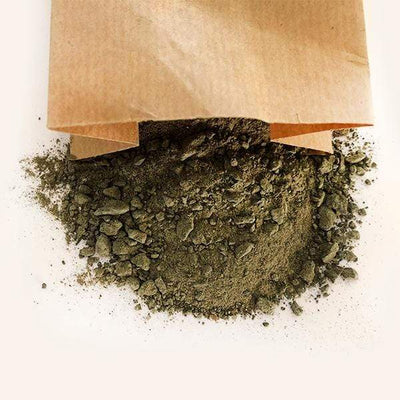
How it works: • Add your food waste to the bucket • Tamp it down (air is the enemy) • Sprinkle LIVE Bokashi bran • Keep the lid sealed • Syphon off the liquid — dilute it and feed your plants • After about two weeks, empty the fermented contents into soil or a compost heapThat’s it.
No smell.No flies.No bin-juice trauma.
It takes: • meat • fish • dairy • cooked food
All the things people think they “can’t compost”.Instead of rotting and making methane, it feeds microbes, fungi, worms and soil life.It builds proper living soil.
If you can make a cup of tea, you can Bokashi your food waste — and you will benefit from the most extraordinary living soil in return.
The missed opportunity
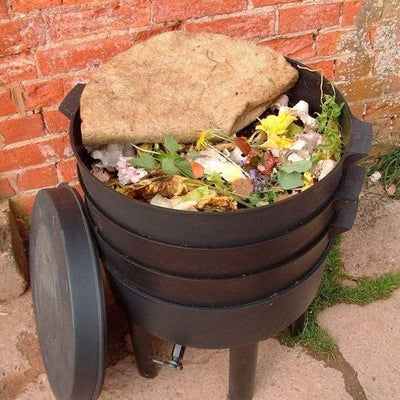
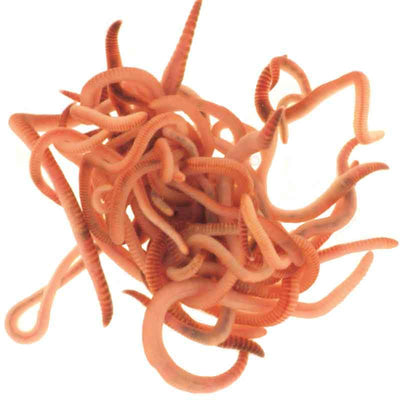
Local authorities are about to spend millions complying with DEFRA’s food waste rules.Imagine if even a fraction of that effort went into: • promoting home composting • supporting Bokashi and worm systems • teaching people how simple this actually is • keeping nutrients localFewer collections needed. Lower ongoing costs. Less methane. Better soil.
My position is simple
We should be aiming to be a zero food waste region.Not perfect.Not preachy.Just competent.
Waste less.Trust your senses more than a date stamp.Deal with unavoidable waste properly — at home.
Food waste isn’t rubbish.
It’s nutrients in the wrong place.And if we keep turning potato peelings into a global climate problem, that’s on us.— Heather