
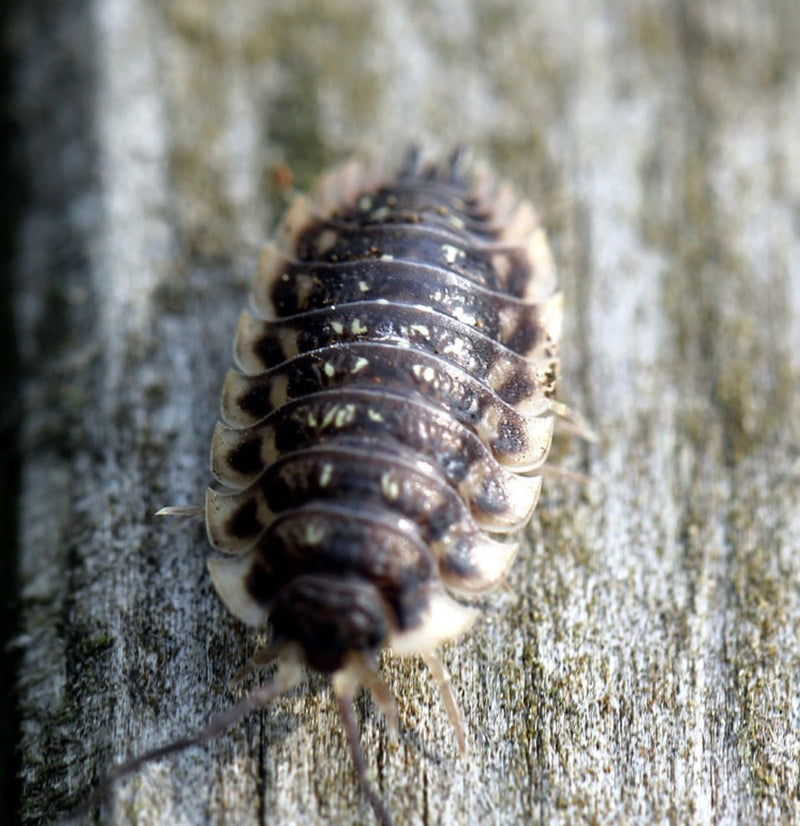
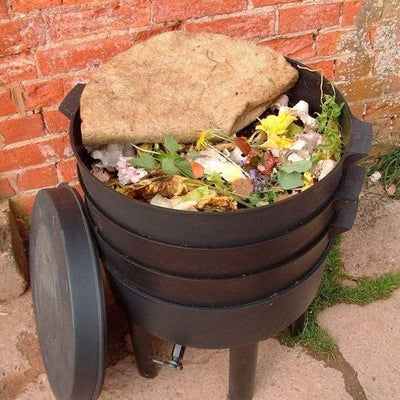
Woodlice, also known as pill bugs or sow bugs, can sometimes become a nuisance in a wormery. They generally coexist peacefully with worms and help decompose organic matter, but if their population gets out of hand, it might be necessary to control them. Here are some steps to help reduce or remove woodlice from a wormery:
1. Reduce Moisture
Woodlice thrive in damp environments. Ensuring your wormery isn't overly wet can help deter them.
- Drain excess moisture: If the bedding is too wet, try to drain off any excess liquid.
- Add dry bedding: Introduce dry bedding materials like shredded newspaper or cardboard to absorb moisture.
2. Alter Food Input
Woodlice are attracted to decaying organic matter. Adjusting what you put into the wormery can make it less appealing to them.
- Avoid overfeeding: Only add as much food as the worms can process quickly. Excess food attracts woodlice.
- Bury food: Ensure food scraps are buried under the bedding, making it less accessible to woodlice.
3. Remove Infested Bedding
Physically removing the bedding where woodlice are most prevalent can help reduce their numbers.
- Manual removal: Scoop out areas with high woodlice concentrations and replace with fresh bedding.
- Bait and remove: Place a piece of damp cardboard or potato slices in the wormery overnight. Woodlice will congregate under it, and you can then remove and dispose of them.
4. Natural Predators
Introduce natural predators to help control the woodlice population.
- Encourage predation: Depending on your environment, some natural predators (like certain types of beetles) might help keep woodlice in check.
5. Create Physical Barriers
Set up barriers to prevent woodlice from entering the wormery.
- Copper tape: Woodlice avoid crossing copper, so placing copper tape around the edges of your wormery can help.
- Talcum powder: Sprinkling a line of talcum powder around the wormery can also act as a deterrent.
6. Relocate Woodlice
If the woodlice population is too high, you can manually remove and relocate them.
- Hand-picking: This can be time-consuming but effective. Regularly check the wormery and remove any woodlice you find.
- Trapping: Set traps inside the wormery (like damp cardboard or fruit peels) to attract and capture woodlice, then relocate them.
7. Maintain Balance
Ensure your wormery is properly balanced to minimise woodlice attraction.
- Regular maintenance: Regularly check the moisture levels, food input, and overall condition of your wormery.
- Aeration: Ensure good air circulation by gently turning the bedding occasionally.
By following these steps, you can effectively manage and reduce the woodlice population in your wormery, ensuring a healthy environment for your worms.
Top wiggly tips to rid your wormery of Woodlice
December 08, 2024



🌱 Over the Compost Heap…
Every handful of healthy soil contains more life than most of us will ever see.