
If you’re looking for how to improve soil in raised beds, one of the most effective (and overlooked) steps is adding worms properly. Many raised beds contain very few worms, especially if they’re newly built or filled with imported soil. Without worms, organic matter breaks down slowly, nutrients stay locked up, and plants struggle. Getting the right worms, in the right quantity, and adding them correctly can transform soil health with very little effort.
1. Choose the Right Worms for Raised Beds
Not all worms do the same job. Raised beds benefit most from a combination of:
Not all worms do the same job. Raised beds benefit most from a combination of:
- Deep-burrowing garden worms to improve drainage, aeration and root access to water
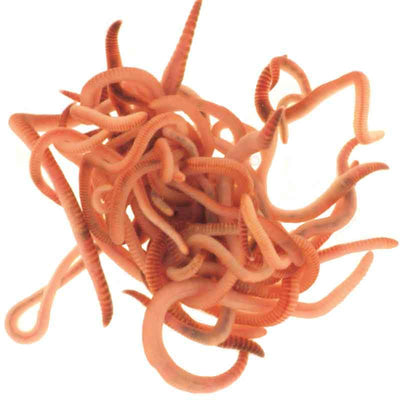
- Surface-dwelling composting worms to break down organic matter and create nutrient-rich worm castings
This mix mimics a healthy natural soil system and is exactly what’s included in our Worms for Raised Beds Kit
2. Add the Right Quantity for Your Bed Size
Adding too few worms slows improvement, while adding the right amount gives soil life a proper kick-start:
2. Add the Right Quantity for Your Bed Size
Adding too few worms slows improvement, while adding the right amount gives soil life a proper kick-start:
- Small kit – suitable for around two average raised beds
- Medium kit – ideal for four raised beds
- Large kit – best for eight raised beds
Once established, worms regulate their own numbers based on food and conditions — they won’t overpopulate.
3. Add Worms the Best Way (No Digging Required)
To introduce worms successfully:
Dig 3–4 small holes spaced across the bed
Add garden worms first so they head down into the soil
To introduce worms successfully:
Dig 3–4 small holes spaced across the bed
Add garden worms first so they head down into the soil
- Place composting worms closer to the surface
- Gently cover and finish with a layer of compost or mulch
This gives worms immediate protection, food and moisture.
4. Create Conditions Worms Love
After adding worms, keep things simple:
Keep soil evenly moist, especially in dry weather
After adding worms, keep things simple:
Keep soil evenly moist, especially in dry weather
- Maintain a mulch layer of compost, leaf mould or straw
- Avoid synthetic fertilisers and heavy doses of fresh manure
These small steps help worms settle quickly and start rebuilding soil structure.
5. Let the Worms Do the Work
Once worms are in place, resist the urge to over-manage. Worms turn organic matter into plant-available nutrients, improve soil structure and support beneficial microbes. Over time, raised beds become easier to grow in, more resilient, and far more productive — without digging or constant feeding.
Once worms are in place, resist the urge to over-manage. Worms turn organic matter into plant-available nutrients, improve soil structure and support beneficial microbes. Over time, raised beds become easier to grow in, more resilient, and far more productive — without digging or constant feeding.
For a simple, proven way to rebuild soil life, our Worms for Raised Beds Kit provides everything you need to get started properly.