Feed my garden birds

Bring more life to your garden, one beakful at a time. Choose good food, match it with the right feeder and enjoy getting to know the birds outside your window.

  • I want a good seed mix with British farming behind it.

    Choose Farmer Phil’s British Mix, served in a hanging seed feeder. For seed grown and prepared entirely on our farm, explore The Field Club.

  • I want a mix chosen for the season, with regular deliveries.

    Choose Wiggly Seasonal Birdfood Mix in a hanging seed feeder. Select Subscribe & Save for repeat deliveries at an interval that suits your garden.

  • I want to feed robins and other insect-eating birds.

    Choose live mealworms, offered in small amounts in a live-food feeder or shallow feeding dish.

Wiggling since 1990 · Bird food mixed and packed on our Herefordshire farm

Farmer Phil's British Mix

Farmer Phil’s British Mix

For garden bird feeding with British farming at its heart

A seed mix grown in British fields wherever possible, then blended and bagged here at Lower Blakemere Farm. A practical starting point for feeding a variety of seed-eating garden birds.

Use with: The One Seed Feeder.

Add the matching seed feeder →

Shop Farmer Phil’s British Mix
Winter Wiggly Seasonal Seed Mix

Wiggly Seasonal Birdfood Mix

For feeding with the seasons — without remembering to reorder

Our seasonal mix takes the guesswork out of choosing bird food, with a blend selected for the time of year and mixed and packed on our Herefordshire farm.

Order a bag when you need one, or choose Subscribe & Save for regular deliveries. Pick the quantity and delivery interval that match how much your birds eat.

Use with: The One Seed Feeder.

Choose Seasonal Mix — one-off or Subscribe & Save
Click & Collect LIVE Mealworms 1kg

Live Mealworms

For robins, blackbirds, tits and other insect-eating visitors

Fresh, wriggling food, packed here on our farm. Live mealworms provide protein and natural moisture, and are especially useful when parent birds are feeding chicks.

Start with a small amount and watch who comes to investigate. The robin may get there before you’ve finished putting them out.

Use with: The I Love Robins Pearl Feeder, or a shallow feeding dish. Keep it clean and offer only what the birds will eat promptly.

Shop live mealworms
The Field Club — Birdseed, by the Field - Preorder now first first delivery in November 2026

The Field Club — Birdseed, by the Field

For knowing exactly where your birdseed comes from

Birdseed from one named field on our Herefordshire farm: the Flat Square. It isn’t flat. It isn’t square. But it grows five crops for birds.

We grow, harvest, clean, mix and bag the seed here ourselves. Before it reaches your garden, the growing field is already providing food and habitat for wildlife on the farm.

Use with: A hanging seed feeder such as The One Seed Feeder.

Explore The Field Club

Which food is right for my garden?

Start with seed for your seed-eating visitors

A good seed mix is a straightforward way to get started. Offer a small amount in a hanging seed feeder and see which birds visit.

Choose Farmer Phil’s British Mix if British-grown ingredients matter to you, or Wiggly Seasonal Birdfood Mix for a blend chosen for the time of year.

Choose Subscribe & Save if you’d like regular deliveries of Seasonal Mix.

For seed traced back to one named field on our farm, explore The Field Club.

Add live mealworms for a different sort of visitor

Seed is only part of the picture. Robins, blackbirds and other insect-eating birds also look for animal food.

Live mealworms give you another way to feed them, with protein and moisture in every wriggling mouthful. Offer a few at a time rather than putting out a large pile.

You can offer both

A seed feeder and a separate place for live mealworms give birds a choice of foods and feeding positions.

Keep live mealworms out of your tube seed feeder. Offer them separately so you can keep their feeding area clean and see how quickly they are eaten.

Which food for which bird?

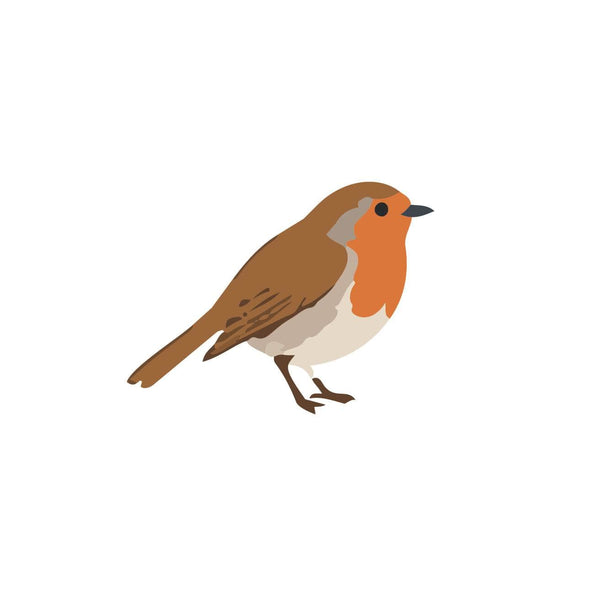
Robin

Robin

Live or dried mealworms, suet pellets and small amounts of sunflower hearts. Offer mealworms on a suitable ground-level feeder or low-sided dish, keeping the area clean.
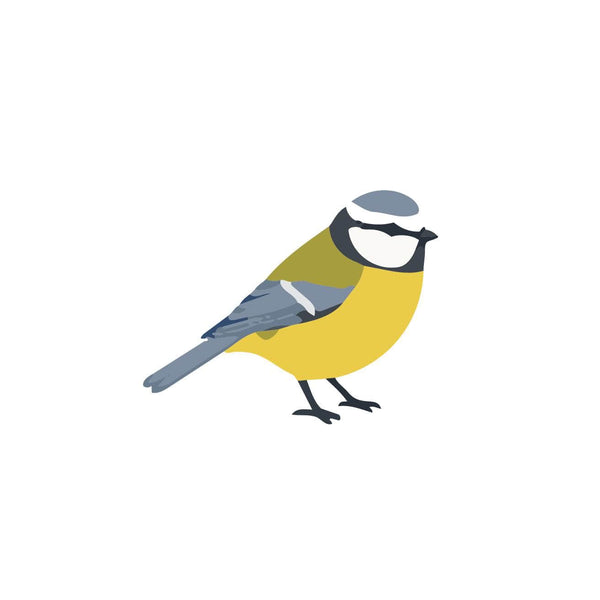
Blue Tit

Blue Tit

Enjoys insect food, sunflower hearts and suet. Suitable hanging feeders help them feed safely.
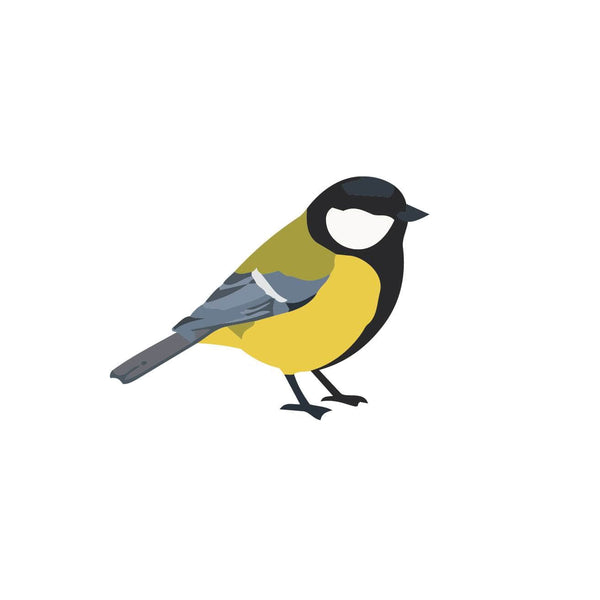
Great Tit

Great Tit

A keen visitor to hanging feeders. Offer suitable seed, suet and peanuts in a mesh feeder that allows small pieces to be taken safely.
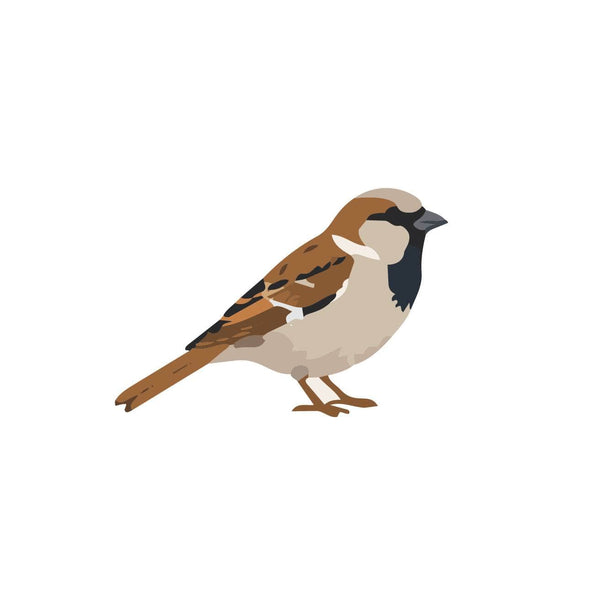
House Sparrow

House Sparrow

Likes small seeds and grains, with insects especially important when raising chicks. Try a suitable seed feeder or covered feeder.
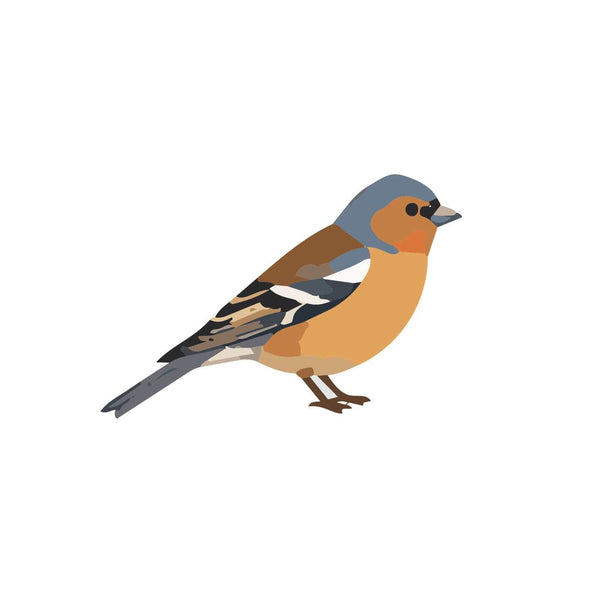
Chaffinch

Chaffinch

Enjoys seeds and often feeds on the ground beneath feeders. Help by providing clean feeding areas and natural seed-bearing plants.
Goldfinch

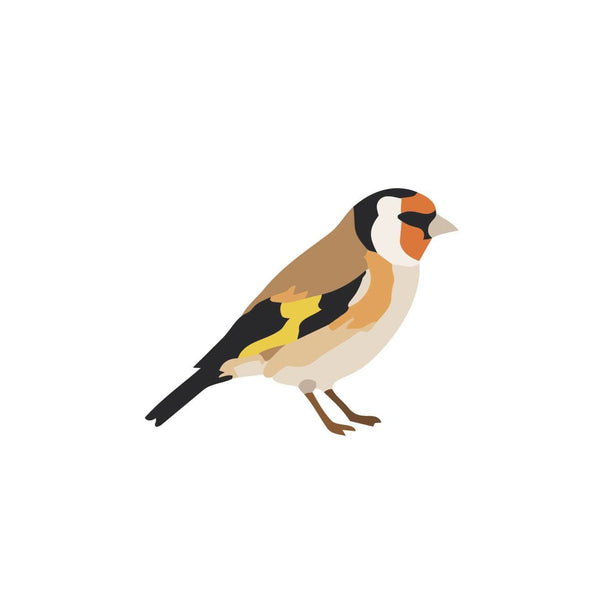
Goldfinch

Particularly fond of small seeds. Niger feeders and sunflower hearts are excellent choices, while teasels and thistles provide natural seed food.
Starling

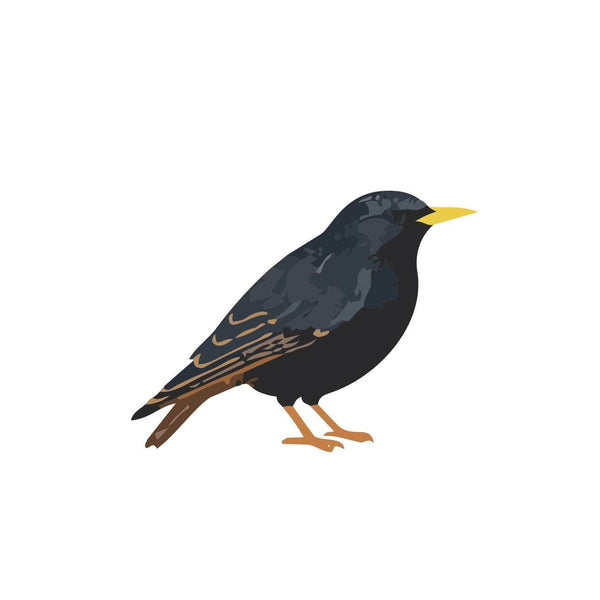
Starling

Eats insects and other invertebrates naturally, and readily takes suet and suitable insect foods. Berries and fruit can also help.
Blackbird

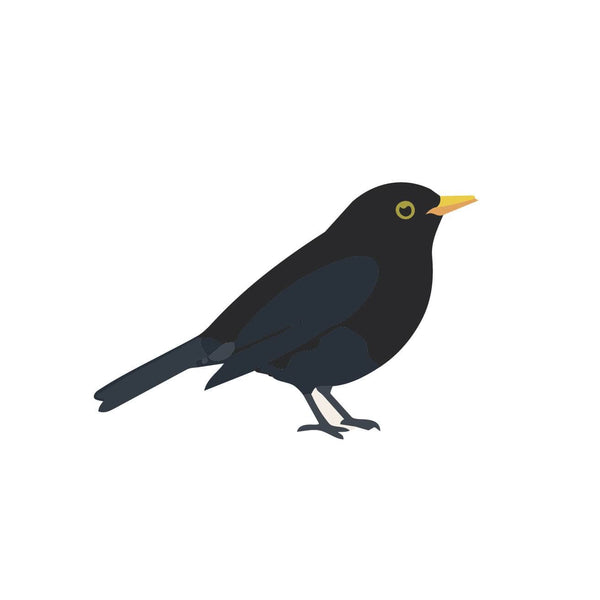
Blackbird

A natural ground feeder that enjoys worms and insects, plus berries and fruit. Offer mealworms or suet pellets in a clean, sheltered feeding spot.
Song Thrush

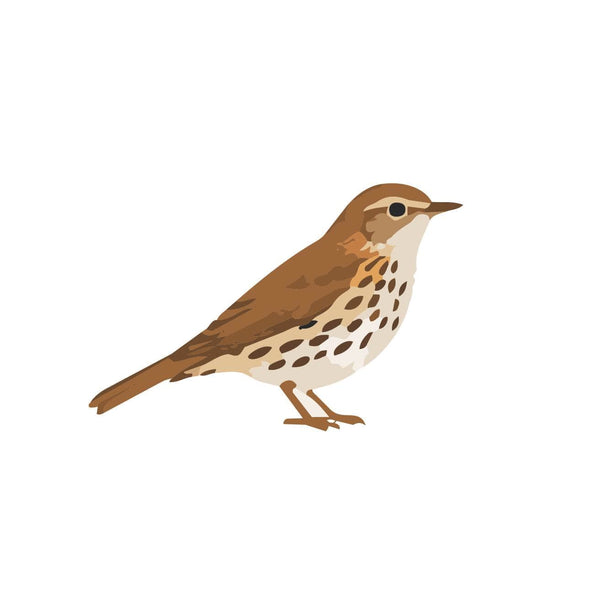
Song Thrush

Naturally eats worms, snails and other invertebrates. Mealworms and soft fruit may be accepted, but a garden rich in leaf litter and invertebrates is particularly valuable.
Wren

Wren

Primarily eats tiny insects and spiders. Offer small amounts of mealworms in a sheltered spot and encourage natural insects with dense planting and leaf litter.
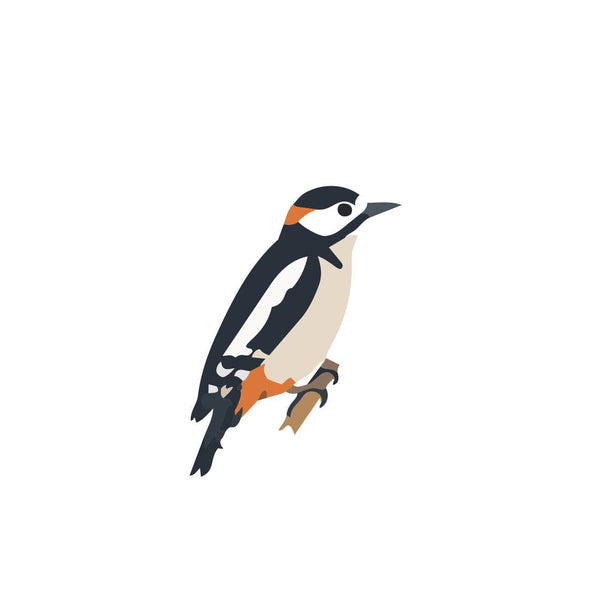
Great Spotted Woodpecker

Great Spotted Woodpecker

Naturally searches trees for insects and larvae. Suet products and peanuts in appropriate feeders can attract it to gardens.
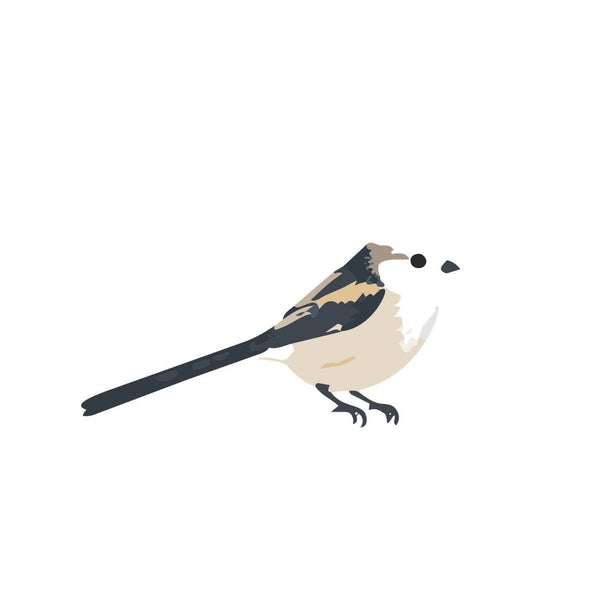
Long Tailed Tit

Long Tailed Tit

Mainly eats tiny insects and spiders. May visit for soft suet foods, particularly in colder weather. Dense shrubs help provide natural insect food and shelter.
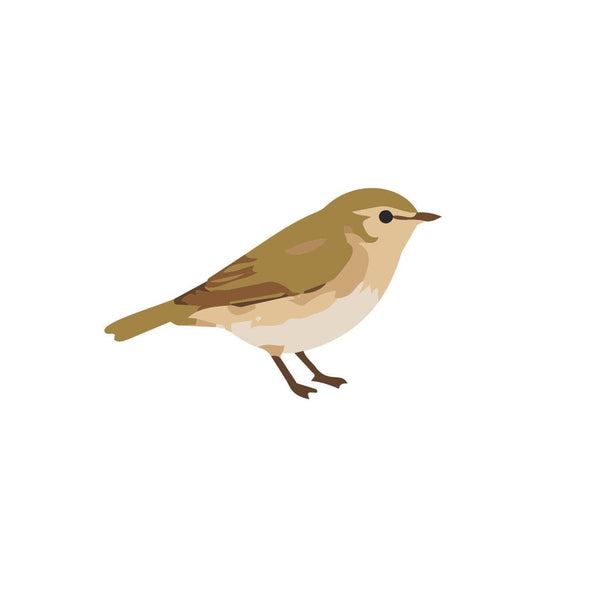
Chiffchaff

Chiffchaff

Feeds on small insects and spiders among leaves and branches. Encourage a wildlife-friendly garden rather than relying on bird feeders.
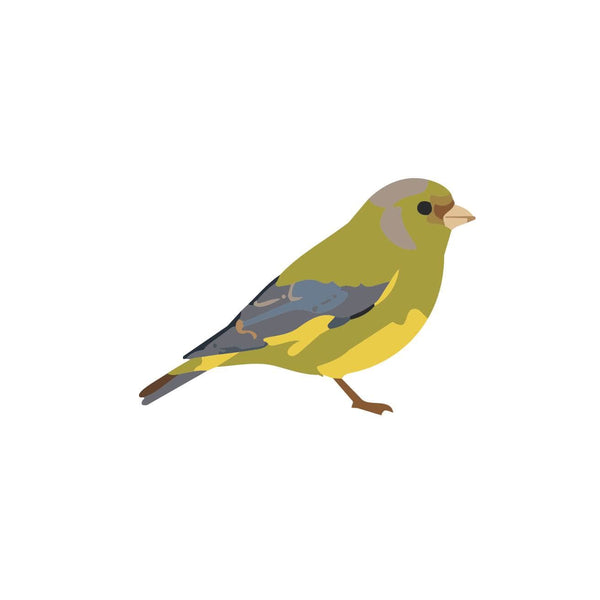
Greenfinch

Greenfinch

Enjoys seeds, particularly sunflower hearts and niger. Greenfinches are vulnerable to trichomonosis, so follow seasonal feeding advice and maintain excellent hygiene.
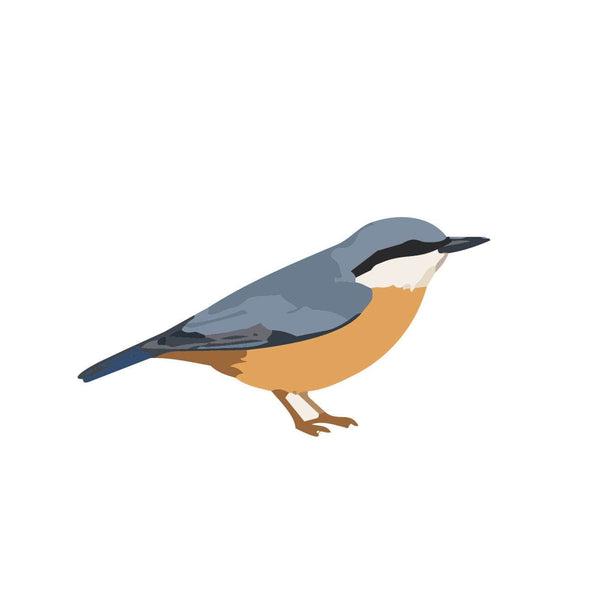
Nuthatch

Nuthatch

Likes seeds and nuts, and will readily use hanging feeders. Offer peanuts only in a suitable mesh feeder, never loose whole nuts.
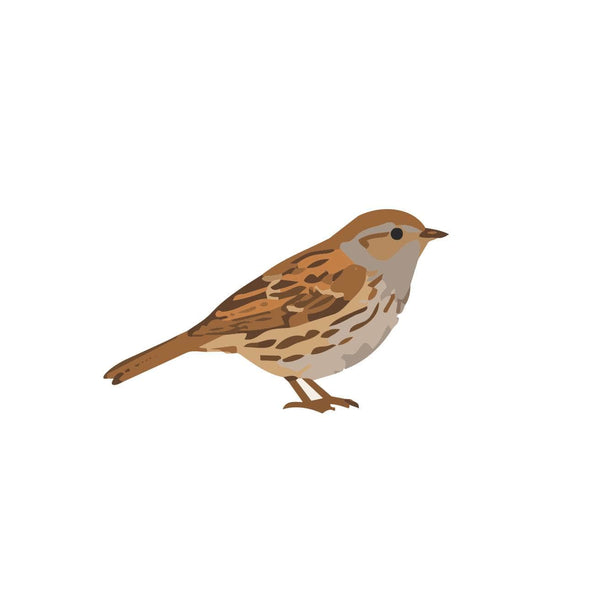
Dunnock

Dunnock

Feeds on insects and other small invertebrates, as well as seeds. Offer small seeds during the appropriate season and a little mealworm in a sheltered ground-feeding spot.

Which feeder do I need?

For Farmer Phil’s British Mix, Wiggly Seasonal Birdfood Mix or Field Club seed:
Choose The One Seed Feeder. It takes mixed seed and comes apart for cleaning.

For a larger seed-feeding capacity:
Choose the BigEasy Seed Feeder, available in different sizes. Only fill it with the amount your birds are getting through.

For live mealworms:
Choose the I Love Robins Pearl Feeder, or use a shallow feeding dish. Offer small amounts, clean between feeds and remove leftovers by dusk.

Keep their food coming with Subscribe & Save

Once you know how much your birds eat, regular deliveries make feeding simpler.

Choose Wiggly Seasonal Birdfood Mix on Subscribe & Save, select your bag size and delivery interval, and keep your supply topped up without placing a new order each time.

Pick a schedule that suits your garden — enough to keep food fresh, without bags building up in the shed.

Choose Seasonal Mix on Subscribe & Save

How it works

Choose your food → Match it with a feeder → Feed little and often

Start with a small amount. Watch which birds visit and how much they eat, then adjust your feeding to suit your garden.

A few habits that make a difference

Keep food fresh. Remove old food before refilling, and discard anything damp or mouldy.

Keep feeders clean. Wash and disinfect at least weekly, rinse thoroughly and let them dry before refilling.

Keep the area beneath feeders clear. Remove dropped food and droppings.

Choose a sensible position. Birds need a clear view and nearby escape cover, with space away from places where cats could ambush them.

Provide fresh water. If you use a bird bath, change the water daily and clean it regularly.

Watch your visitors. If birds look unwell, pause feeding and seek advice before restarting.

Ready to get started?

Choose a food, add the matching feeder if you need one, and see who turns up.

Still have a question?

I’m starting from scratch. What should I buy?

Choose Wiggly Seasonal Birdfood Mix and The One Seed Feeder for a simple starting point. Select Subscribe & Save if you’d like regular food deliveries.

If British-grown ingredients are your priority, choose Farmer Phil’s British Mix instead.

Add live mealworms to feed robins and other insect-eating visitors too.

Will live mealworms attract different birds?

They can. Mealworms are popular with robins, blackbirds, tits and other birds that eat insects. Which visitors arrive will depend on your garden and the birds nearby.

How do I keep live mealworms?

Keep them cool and ventilated, following the care instructions supplied with your order. Order a manageable quantity while you work out how many your birds eat.

What’s the difference between Seasonal Mix and Field Club?

Seasonal Mix is a blend selected for the time of year, with one-off and Subscribe & Save options. Field Club is seed traced back to one named field on our farm, with its own subscription arrangements and harvest story.

Why aren’t birds using my new feeder?

They may need time to find it and feel comfortable. Keep the food fresh, check the position and be patient. Nearby cover and a quiet feeding spot can help.