Choose the Right Bird Feeder
The right food. The right feeder. More happy birds.
What about a no-mess feeder?
There's no such thing as a completely mess-free bird feeder, but choosing a huskless food can make an enormous difference. With huskless mixes, birds aren't dropping so many shells underneath the feeder. A good feeder design and sensible positioning help too.
Our suggestion: Start with a compatible seed feeder and Wiggly Huskless Birdfood.
Our suggested starter feeding station
If you're just getting started, you don't need six feeders. We'd begin with:
- A good seed feeder with a suitable quality seed mix.
- A feeding tray or mealworm dish for birds that prefer not to hang from feeders.
- A clean source of fresh water.
That's enough to make a very good start. You can always add a peanut or suet feeder later once you know which birds are visiting.
Where should I put my feeder?
Choose somewhere you can see from the house — after all, watching the birds is half the fun.
Position feeders where birds have a clear view of approaching danger, but with suitable shelter nearby. Avoid locations where cats can easily ambush feeding birds.
Keep feeders away from busy walkways and choose a place where you can clean up spilled food.
Clean feeders and feeding areas regularly, move feeding positions when appropriate, and pause feeding if you notice sick birds.
Which feeder for which bird?


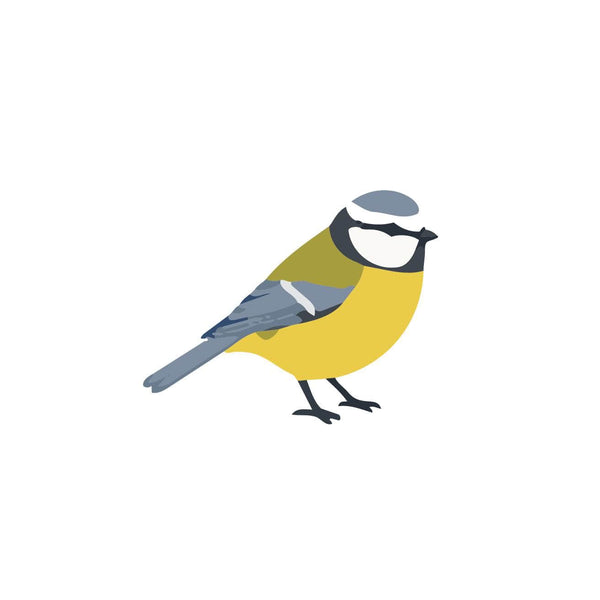
Blue Tit

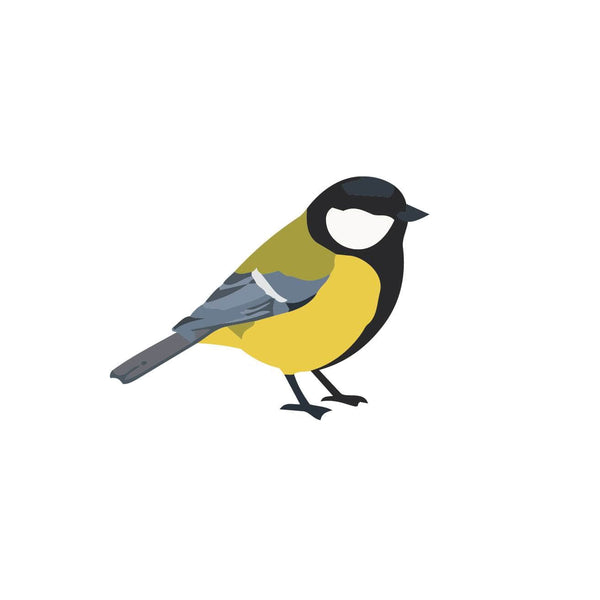
Great Tit

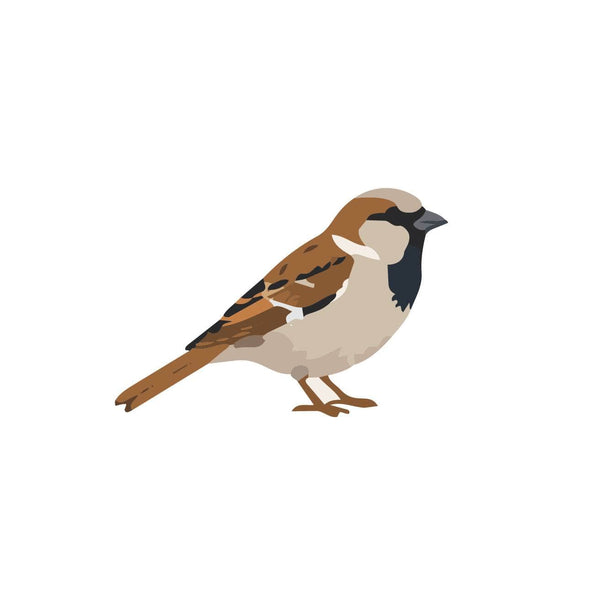
House Sparrow

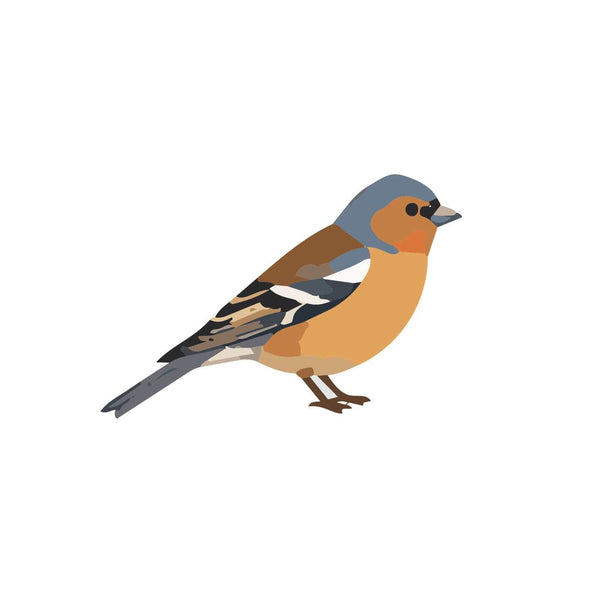
Chaffinch

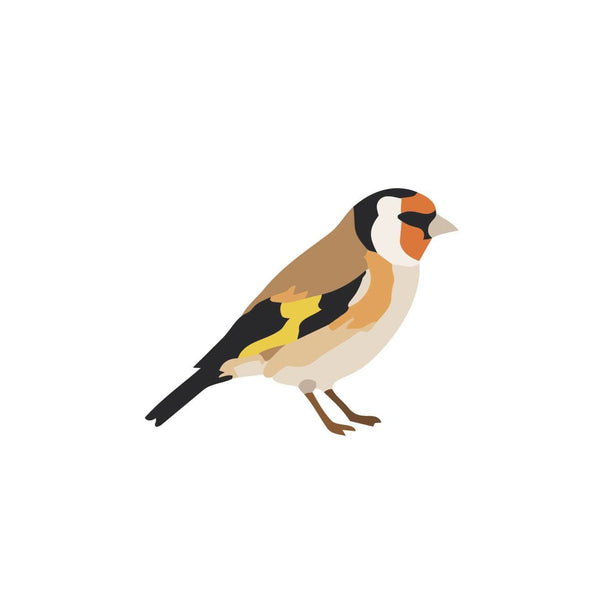
Goldfinch

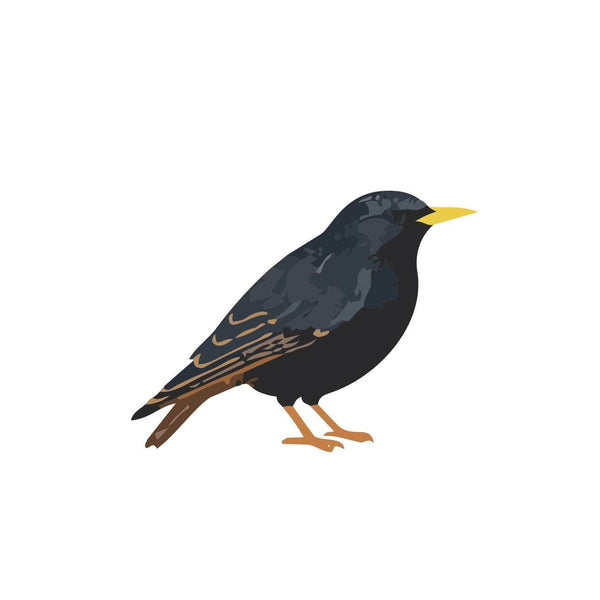
Starling

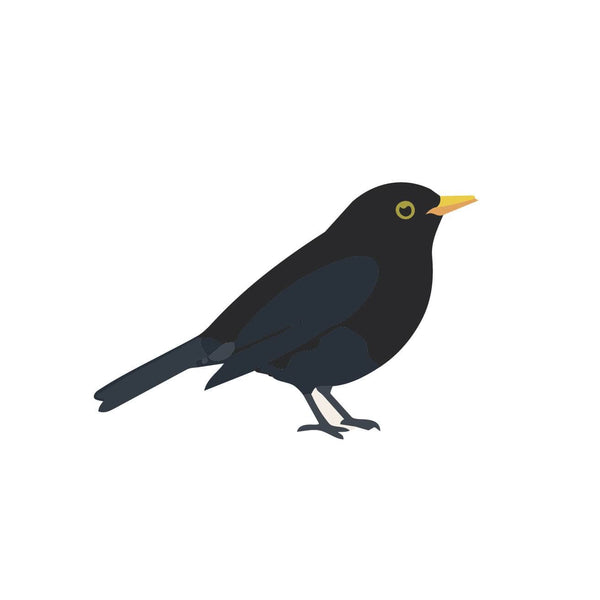
Blackbird

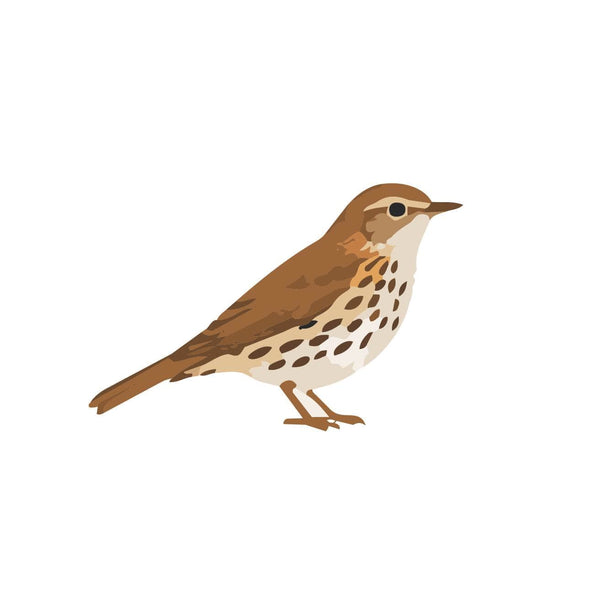
Song Thrush

Wren

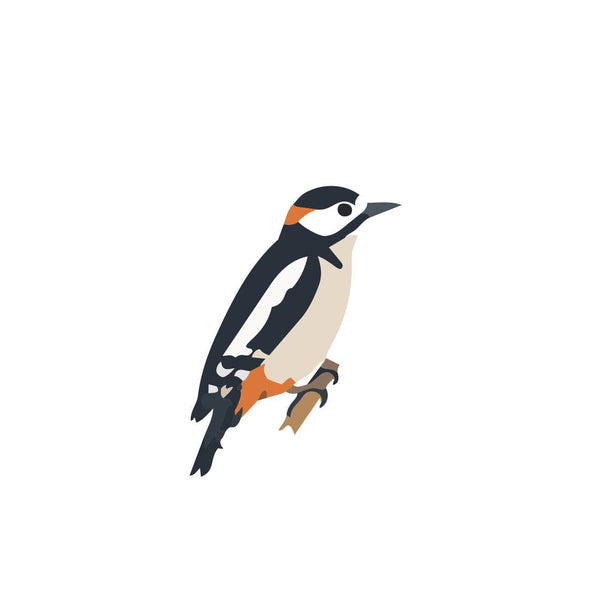
Great Spotted Woodpecker

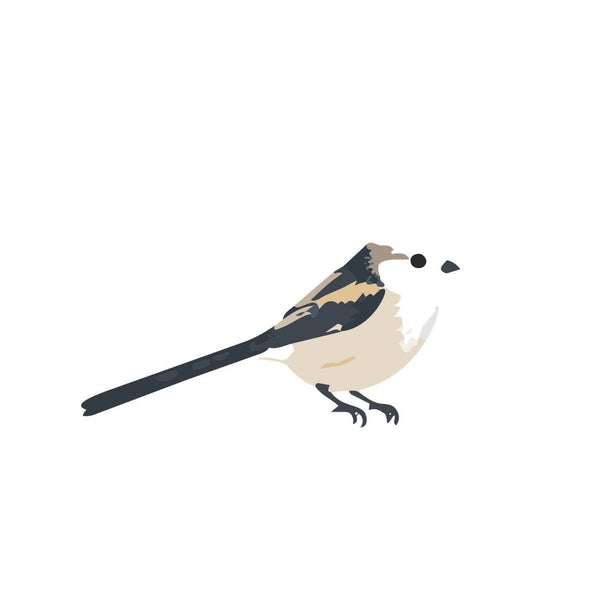
Long Tailed Tit

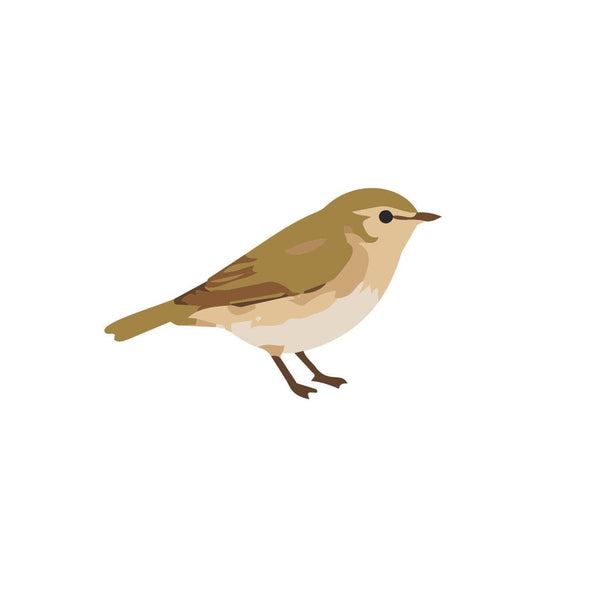
Chiffchaff

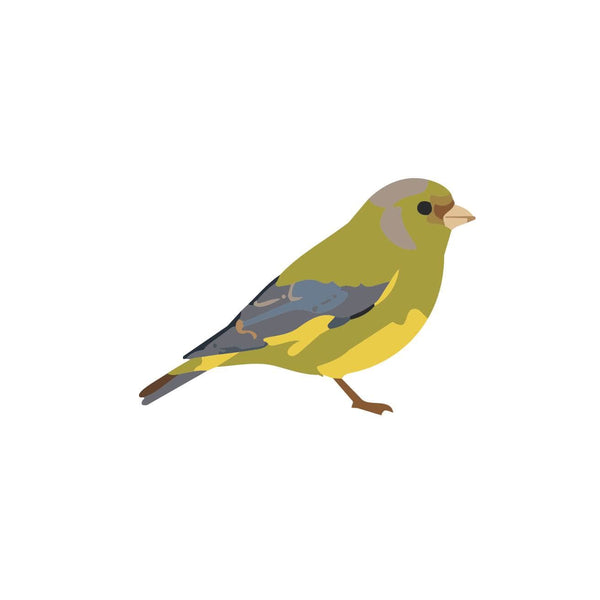
Greenfinch

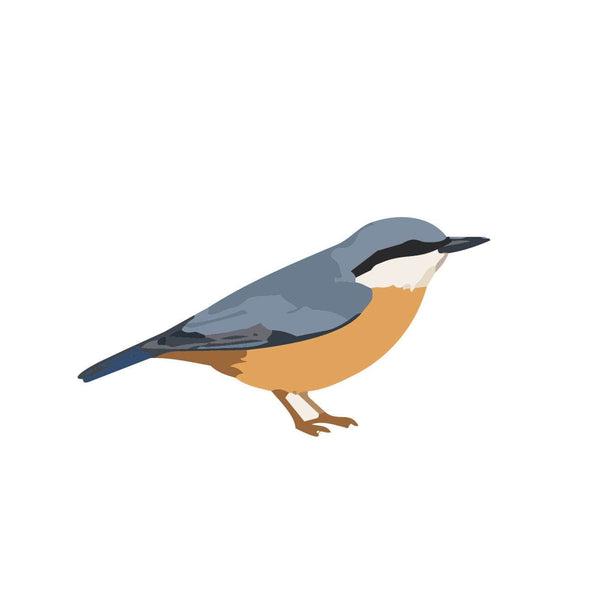
Nuthatch

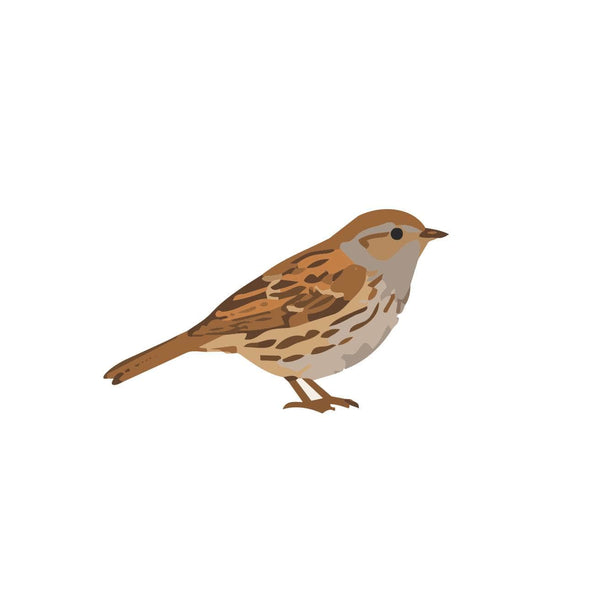
Dunnock
A straightforward Wiggly guide to getting it right
Ever bought a bird feeder, filled it up and wondered why nobody seems interested? Sometimes it's the food. Sometimes it's the feeder. Sometimes the birds simply haven't discovered it yet. And sometimes you're trying to persuade a blackbird to eat from a feeder designed for blue tits. Different birds have different ways of feeding, so matching the right food to the right feeder really does make a difference. Here's our straightforward Wiggly guide to getting it right.
QUICK GUIDE: Which feeder do I need?
- I want to feed sunflower hearts or a suitable seed mix → Choose a seed feeder.
- I want to feed peanuts → Choose a mesh peanut feeder.
- I want to feed suet balls → Choose a suet feeder.
- I want to feed live mealworms → Choose a mealworm feeder or suitable dish.
- I want to feed ground-feeding birds → Offer suitable food in a shallow dish in a safe place.
- I want to attract lots of different birds → Offer a variety of suitable foods in different feeding positions.
Wiggly tip: Always check that the food is suitable for the feeder. Some mixes contain larger ingredients that won't flow through small feeding ports.
Which feeder attracts which birds?
Blue tit: Seed, peanut and suet feeders
Great tit: Seed, peanut and suet feeders
Goldfinch: Sunflower hearts and suitable small-seed feeders
Greenfinch: Seed feeders with suitable seeds
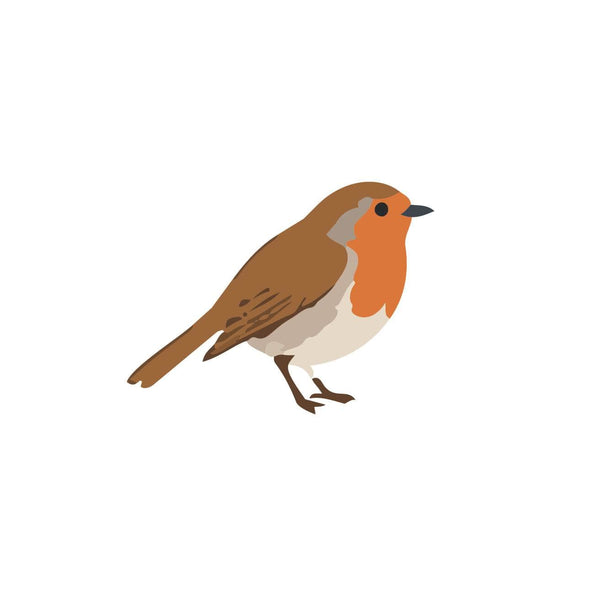
Robin: Mealworm dishes and suitable feeding trays
Blackbird: Ground-level feeding and mealworms
Dunnock: Ground-level feeding and suitable small seeds
Chaffinch: Ground-level feeding and seed feeders
Woodpecker: Peanut and suet feeders
Starling: Suet feeders and mealworm dishes
Of course, birds haven't read this guide. Some will surprise you with where and how they choose to feed!
Seed Feeders
For the everyday bird-feeding favourites. Ideal for suitable seed mixes and sunflower hearts. A well-designed feeder helps keep food accessible and reduces unnecessary spillage.
Choose this if: You're feeding tits, finches and other birds that readily use hanging seed feeders.
Pairs well with: Huskless Birdfood, sunflower hearts and compatible Farmer Phil's mixes.
Peanut Feeders
A proper feeder for a proper peanut feast. Mesh peanut feeders allow birds to peck at suitable peanuts without taking whole nuts away from the feeder.
Choose this if: You want to offer peanuts safely to birds such as tits and woodpeckers.
Pairs well with: Bird-feeding-quality peanuts.
Suet Feeders
A useful energy boost, especially in colder weather. Designed to hold suitable suet balls or blocks securely while allowing birds to feed.
Choose this if: You want to provide a high-energy supplementary food.
Pairs well with: Suet balls or blocks in the appropriate shape.
Mealworm Feeders and Dishes
For the birds that love something wriggly. Live mealworms are best offered in a suitable smooth-sided dish or feeder that helps stop them escaping.
Choose this if: You'd love to encourage robins, starlings and other insect-eating birds.
Pairs well with: Wiggly Live Mealworms.
Ground-Feeding Birds
Not every bird wants to hang upside down for its dinner. Blackbirds, dunnocks, thrushes and chaffinches often prefer to feed on or near the ground. You don't need a special feeder. Simply offer a little suitable bird food in a shallow dish in a safe, open spot where cats can't easily hide. Keep the feeding area clean and only put out what the birds will eat fairly quickly.
Choose this if: You want to encourage birds that prefer to forage at ground level.
Wiggly tip: Watch where your birds naturally like to feed. They'll soon show you what suits them!
Pairs well with: Farmer Phil's suitable seed mixes.
How many feeders do I need?
Start with one or two and build up according to the birds that visit. More feeders also mean more cleaning.
WHY WIGGLY?
We grow and mix bird food on our Herefordshire farm, and we've spent years watching what the birds actually do with it.
We want you to enjoy feeding them, not end up with a shed full of feeders that don't suit the food you've bought.
Get the combination right, put the kettle on and see who comes for breakfast.
Frequently asked questions
Can I put peanuts in a normal seed feeder?
Use a proper mesh peanut feeder for whole peanuts. Don't put whole peanuts in a feeder that allows birds to take them away intact.
Can I use sunflower hearts in a seed feeder?
Usually yes, provided the feeder's ports and design suit them.
What's best for robins?
A suitable tray or dish with live mealworms can be a good choice, along with a wildlife-friendly garden where they can forage naturally.
Why aren't birds using my new feeder?
They may simply need time to discover it. Check the food is fresh, the feeder is clean and the location feels safe.