🚀 START WORM COMPOSTING PROPERLY (BUNDLE)
Starting from scratch?
For the best results, combine your worms with:
-
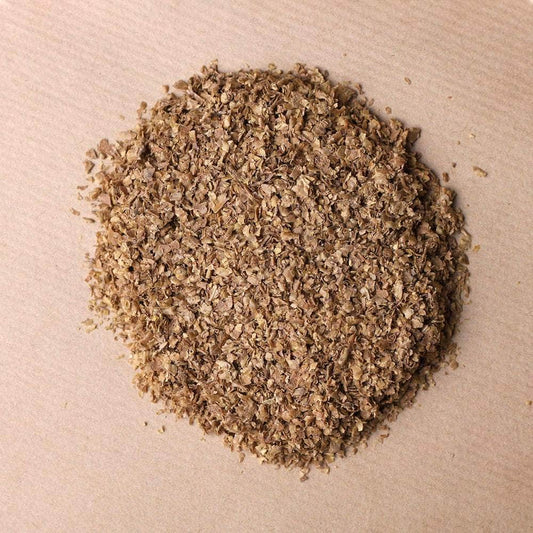
Coir Bedding Block – creates the perfect base for worms to settle quickly
-
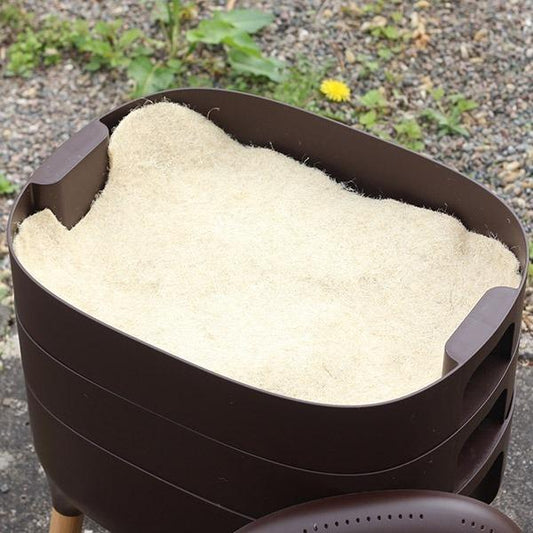
Moisture Mat – keeps conditions stable
-
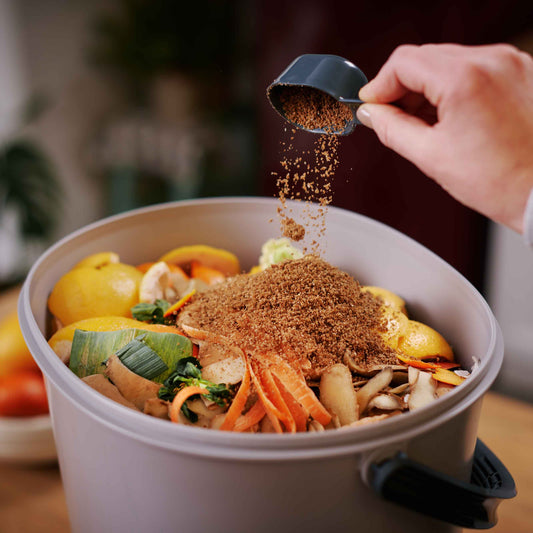
Bokashi Kit – speeds up waste breakdown
👉 This combination gives you a faster start, healthier worms, and better compost.
💥 KEY BENEFITS
🌿 Turn food waste into rich, living compost
Nature’s fastest recyclers producing vermicompost and liquid feed
🌿 The perfect composting worm mix
Tiger Worms + Dendrobaenas for speed, resilience and year-round performance
🌿 Start quickly, succeed easily
Healthy, active worms packed fresh and ready to establish fast
🛒 PRODUCT OPTIONS
Choose your size:
-
250g – ideal for topping up or starting small
-
500g – perfect for most home wormeries ⭐
-
1kg – faster results and stronger composting performance
-
2kg – for larger systems or multiple wormeries
-
5kg – for serious composting, community projects or large-scale systems
🌱 THE NATURAL WAY TO TURN WASTE INTO SOIL
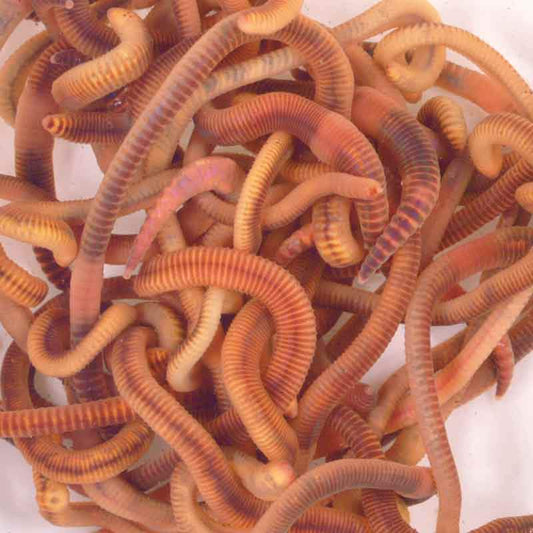
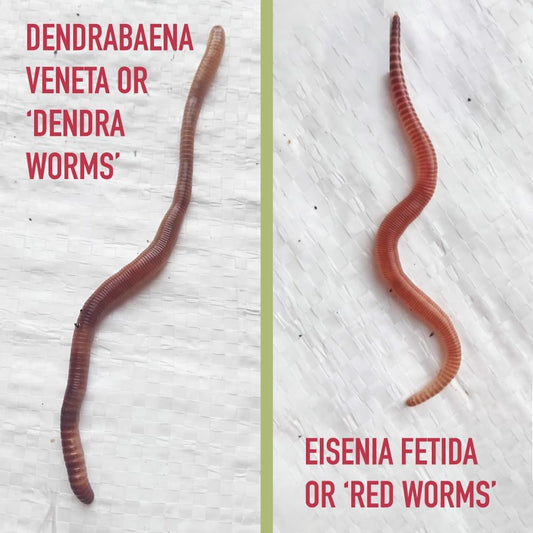
The perfect live mix of Tiger Worms (Eisenia fetida) and Dendrobaenas (Dendrobaena veneta) — ready to boost an existing wormery or start a new one and turn your everyday food waste into rich, living compost.
These are the right worms for the job: hardworking, surface-dwelling species that naturally thrive in manure heaps, leaf litter, and compost piles, where oxygen, warmth, and microbes meet.
In a wormery, they’ll happily power through vegetable peelings, coffee grounds, and kitchen scraps, producing fine, crumbly vermicompost packed with beneficial microbes, along with a natural liquid fertiliser perfect for feeding your garden.
Whether you’re topping up a tired system or starting from scratch, this lively, balanced mix quickly establishes a healthy, self-sustaining composting colony — helping you cut waste, enrich your soil, and build better growing conditions the Wiggly way.
🌿 WHAT MAKES THESE WORMS RIGHT FOR THE JOB
These are epigeic (surface-dwelling) composting worms.
They live naturally in the top few inches of organic matter — not deep soil — where oxygen and microbes are most active.
This makes them ideal for:
-
wormeries
-
compost bins
-
manure heaps
-
food waste systems
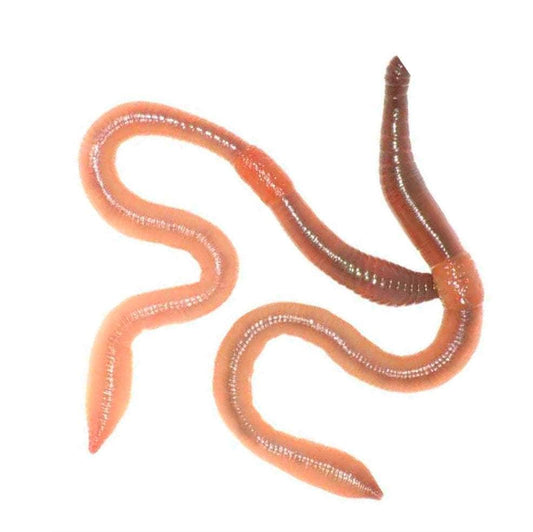
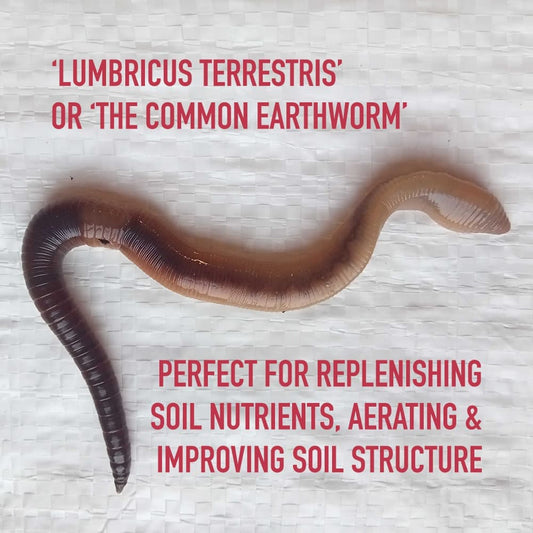
Unlike deep-burrowing worms like Lumbricus terrestris (lobworms), which are suited to soil, these worms specialise in processing organic waste quickly and efficiently.