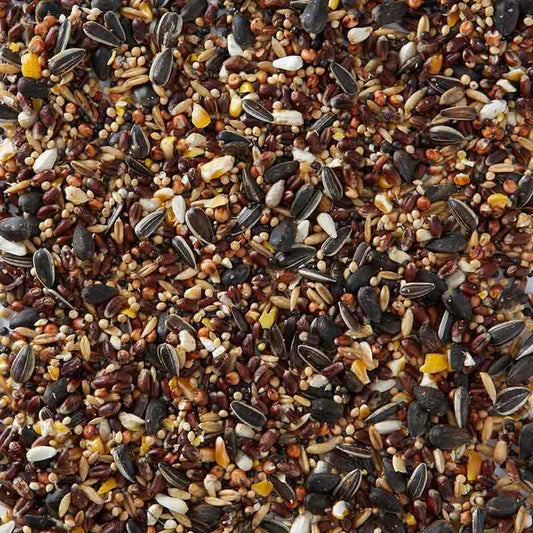
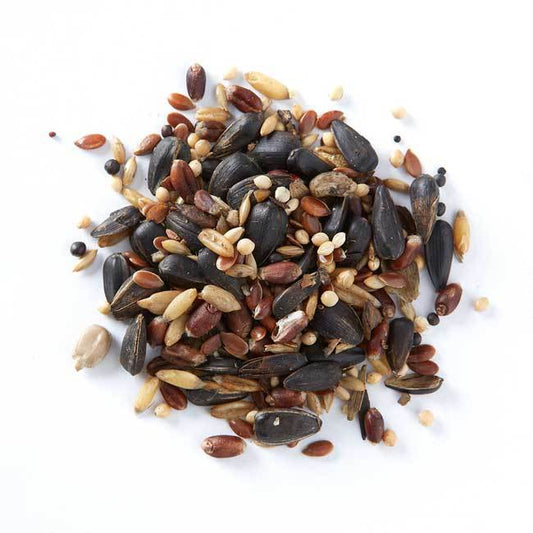
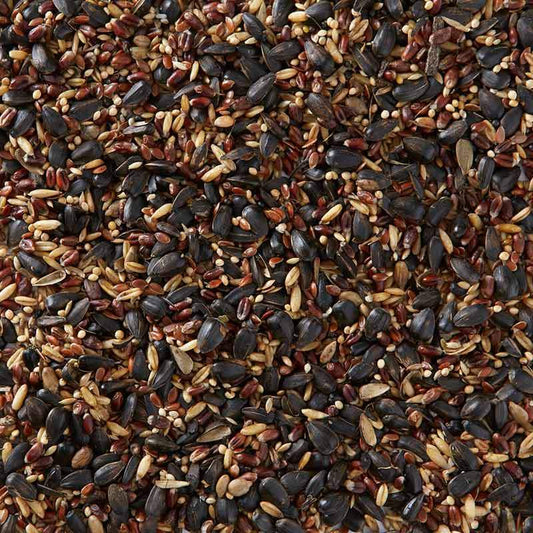
Ingredients
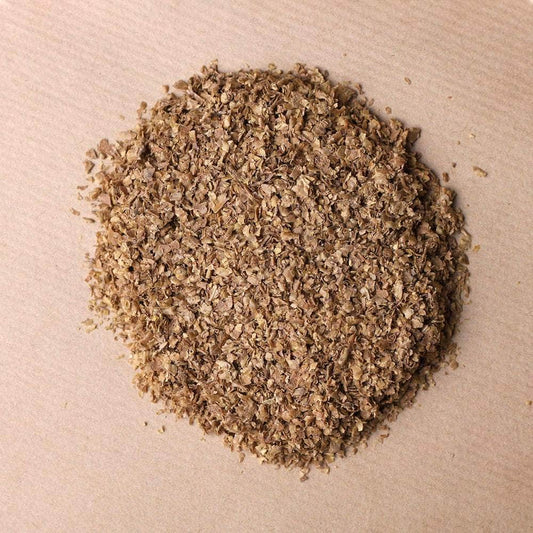
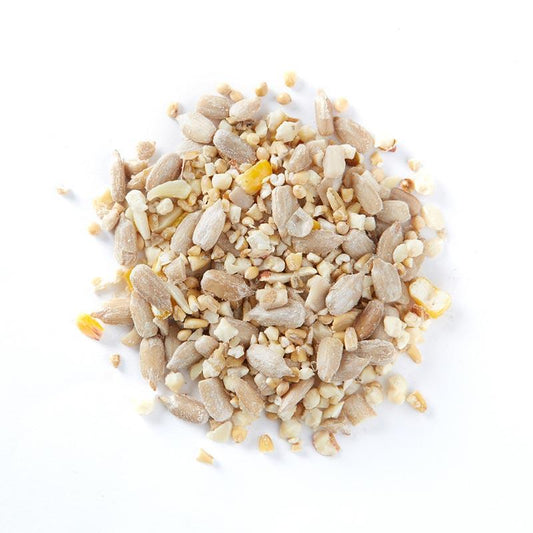
Sunflower hearts
Pinhead oats
White millet
Canary seed
Kibbled peanuts / peanut granules
Hemp seed
Safflower seed
Linseed
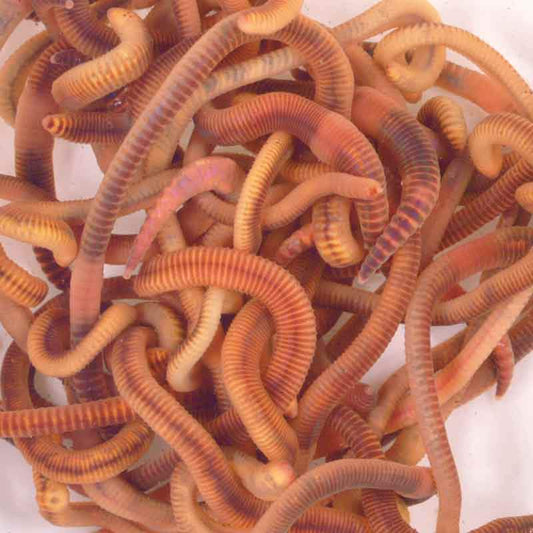
Dried mealworms
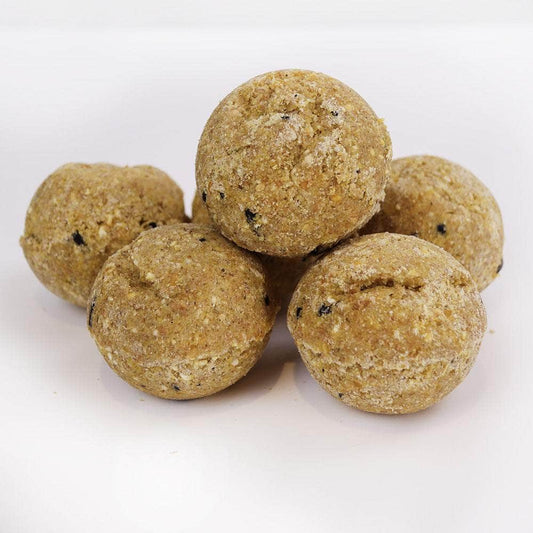
Suet pellets
Ingredient breakdown
Sunflower hearts — app36%
Pinhead oats — app 18%
White millet — app 12%
Canary seed — app 10%
Kibbled peanuts / peanut granules — app 8%
Hemp seed — app 6%
Safflower seed — app 4%
Linseed — app 3%
Dried mealworms — app 2%
Suet pellets — app 1%
Why these ingredients?
Sunflower hearts
The hardworking hero of the mix. Sunflower hearts are high in energy, easy for many birds to eat, and because the husk has already been removed, they create far less mess than black sunflower seed.
Loved by tits, finches, sparrows, nuthatches and many other garden birds.
Pinhead oats
Soft, small and useful for ground-feeding and softbill species such as robins, blackbirds and dunnocks. They help make the mix more than just a finch-and-tit feeder mix.
White millet and canary seed
Small seeds for small beaks. These help make the mix attractive to sparrows, finches and other seed-eating birds.
Kibbled peanuts / peanut granules
A good source of fat and protein, but included as small pieces rather than whole peanuts. That makes them easier for small birds to manage.
As with all summer feeding, these should be fed in moderation and kept dry.
Hemp, safflower and linseed
Small, oil-rich seeds that add variety and nutrition. They help broaden the appeal of the mix without relying on cheap fillers.
Dried mealworms
A useful insect-based ingredient, especially popular with robins, tits and blackbirds. Dried mealworms can be soaked in warm water before feeding, which is especially helpful in dry weather.
Suet pellets
Included at just 1% for a small energy boost. We have kept the suet level low because this is a summer mix and heavy suet feeding is not always sensible in hot weather.
Who is this mix for?
This mix is designed for people who want to support garden birds in summer, but who also understand that how we feed matters just as much as what we feed.
It is ideal for:
Small gardens
Mixed garden bird feeding
People who want less waste under feeders
Customers who want a better-quality summer mix
Bird lovers who are prepared to clean feeders properly
People who prefer feeding little and often rather than filling feeders to the brim
Which birds might visit?
Every garden is different, but this mix may attract:
Robins
Blue tits
Great tits
Coal tits
Long-tailed tits
Dunnocks
House sparrows
Blackbirds
Chaffinches
Greenfinches
Goldfinches
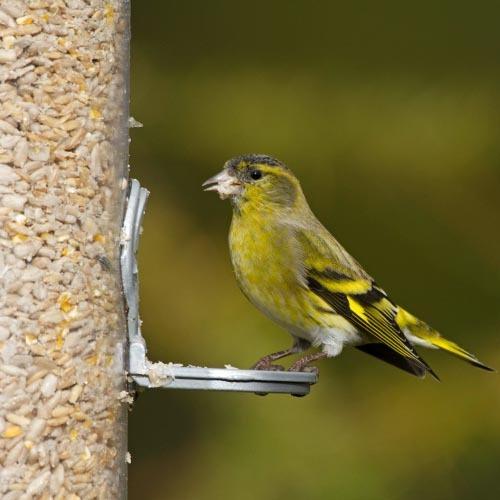
Siskins
Nuthatches
Starlings
Wrens, if feeding close to cover
Pied wagtails
As ever, the birds decide. We can make the invitation. They decide whether the catering is up to scratch.
Very important summer feeding advice
This is the bit that matters.
Summer feeding needs extra care.
Warm weather, damp food, crowded feeders and leftover seed can increase the risk of disease spreading between birds. It’s important to note that feeding stations can increase disease risk, especially where birds gather in large numbers or contaminated food builds up.
So if you choose to feed this mix in summer, please do it properly.
How to feed safely in summer
Feed small amounts only.
Only put out what birds will clear within a day or two. If food is still sitting there, reduce the amount.
Do not fill a huge feeder and leave it hanging for days.
Use several small feeding points rather than one busy bird buffet.
Move feeders regularly around the garden to prevent food waste and droppings building up underneath.
Keep food dry. Damp seed is really bad news.
Avoid flat feeders, trays and bird tables where birds can stand in the food or droppings can contaminate it.
Clean feeders at least weekly.
Clean up old food and droppings from beneath feeders.
Avoid placing feeders directly under trees or roosting spots where droppings may fall into the food.
Provide clean water only if you can change it daily. A wildlife pond is often a better long-term solution.
If you see sick or lethargic birds, stop feeding, empty and clean feeders thoroughly, and allow birds to disperse.
The Wiggly summer feeding rule
Little and often.
Clean and dry.
Move it about.
Do not create a bird scrum.
It is not kind to gather every bird in the parish onto one filthy feeder and call it helping.