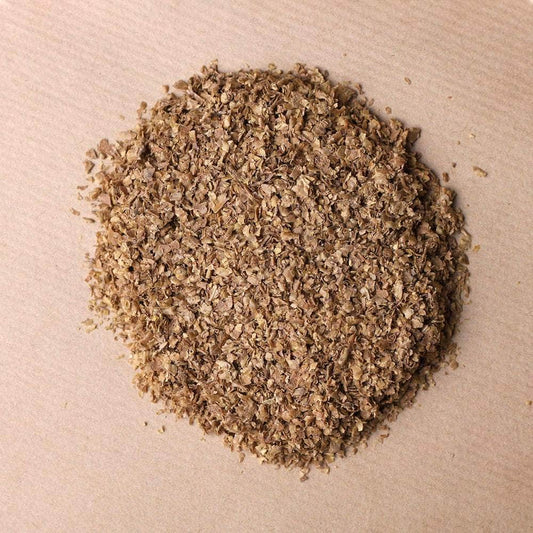
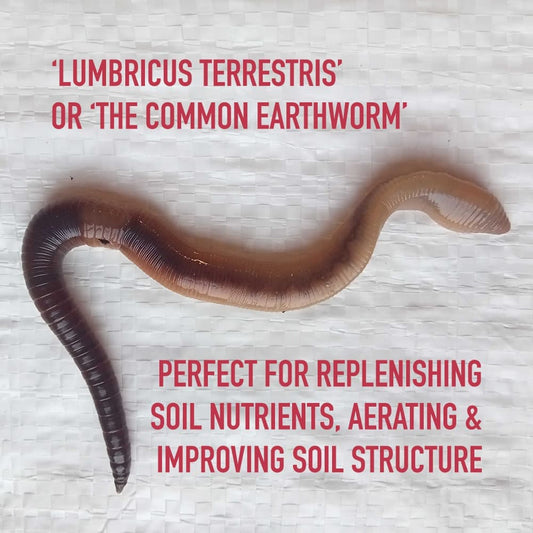
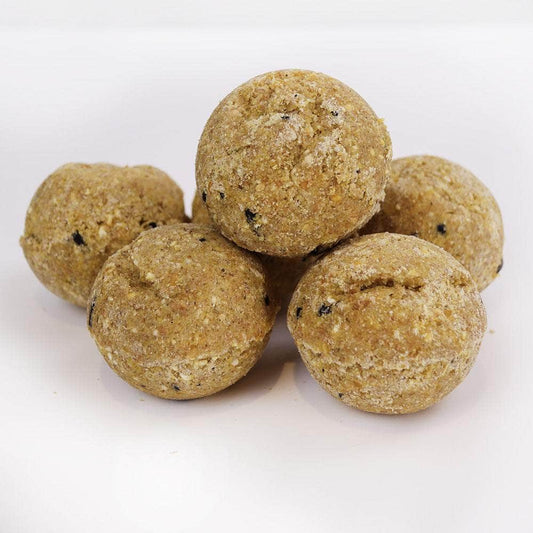
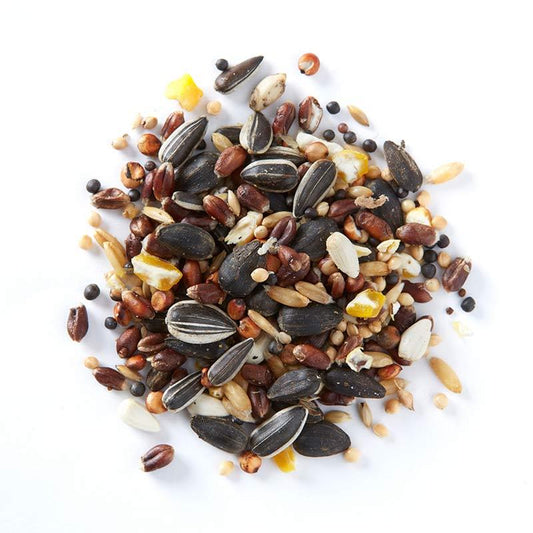
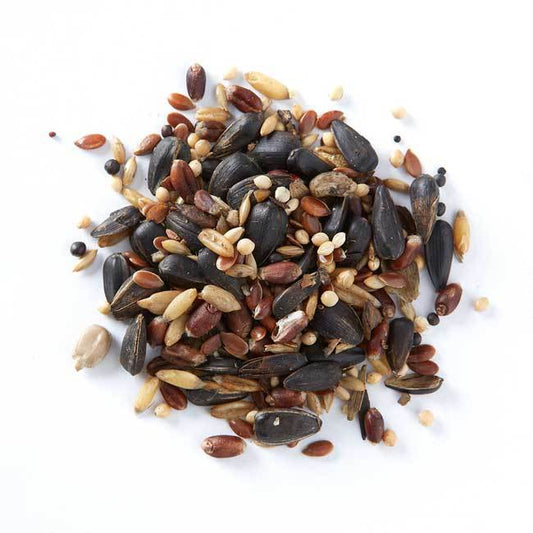
Choose your Bokashi Bran size
1kg Bran — Getting started
Ideal if you want to try Bokashi or have lower food waste
Lasts around 3–4 weeks for most households
2kg Bran — Most popular
The sweet spot for value and ease
Keeps you going without worrying about running out
5kg Bran — Best value (recommended)
For serious composters or busy kitchens
Lower cost per kilo + fewer reorders
Once you start, you’ll use it — so this makes sense
Why This Kit Works (And Why It Matters)
Most household food waste still ends up in landfill, where it rots and releases methane – a greenhouse gas about 80 times more powerful than CO₂.
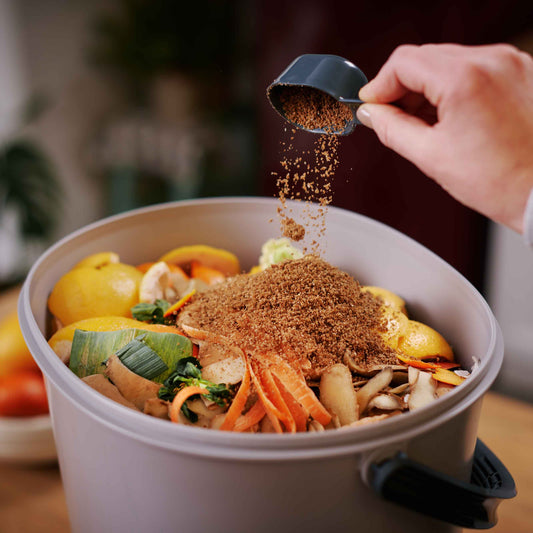
The Bokashi Organko 2.0 stops that process completely by using anaerobic fermentation, not decay.
Your waste is transformed through Effective Microorganisms (EM-1) – a natural culture of lactic-acid bacteria, yeasts and phototrophic bacteria first developed by Dr Teruo Higa in Japan.
The process is a bit like making kimchi or kombucha, but for your soil.
These microbes break food down into organic acids, enzymes and amino compounds that feed the soil’s living biology.
Used worldwide – in Japan, Germany, Sweden and New Zealand – this approach cuts greenhouse emissions, locks in nutrients, and produces richer, more resilient soil.
In short: your kitchen scraps become a climate solution and a soil booster all at once.
What’s in the Double Pack
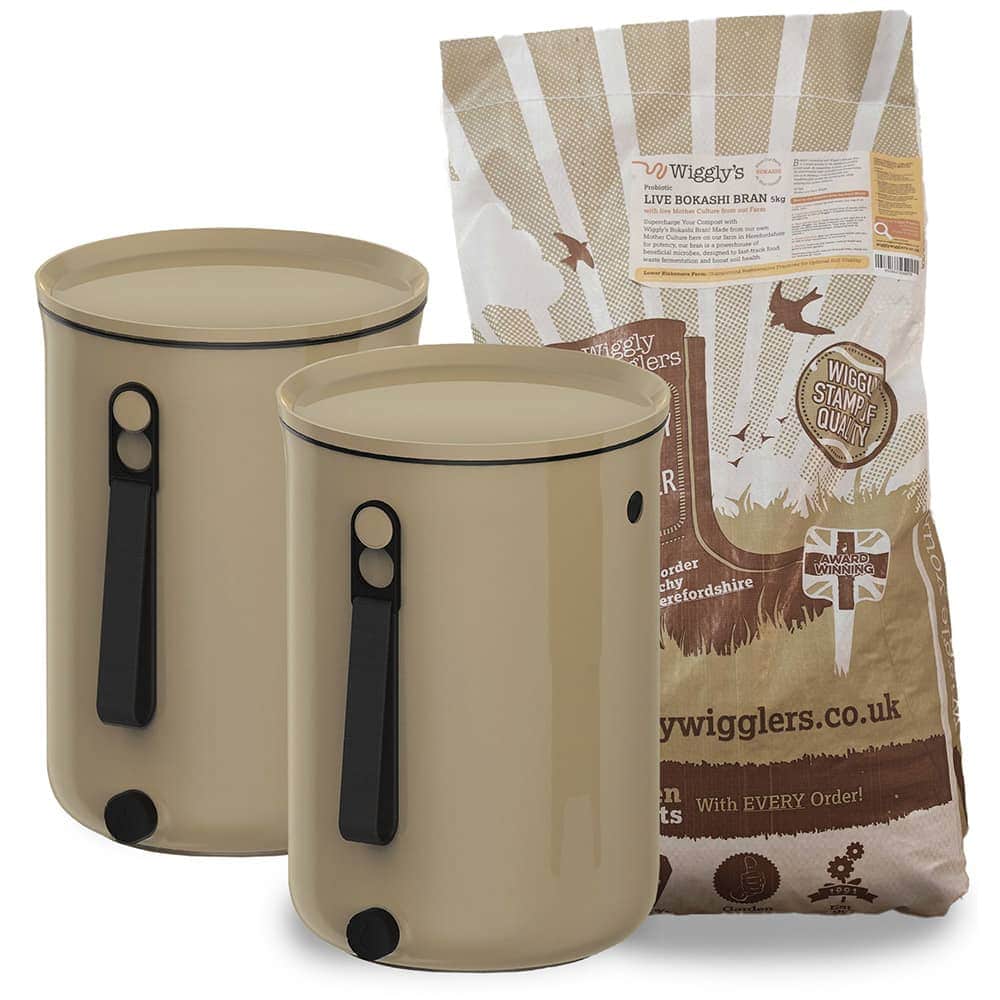
2 × Bokashi Organko 2.0 bins (10 L each)
2 × airtight lids with rubber seals and inner handles
2 × inner containers with drain sieves + screw caps
2 × tampers / levellers to compress waste
2 × dosing cups for precise liquid use
Instruction booklet with Wiggly farm tips
Your choice of LIVE Bokashi Bran (1 kg, 2 kg or 5 kg)
Each bin holds roughly two weeks of a family’s kitchen waste.
Rotate them and you’ll compost continuously all year round – no waiting for a heap to mature and no trips to the brown bin.
Bokashi vs Electric Composters (Kompo / dehydrators)
Thinking about an electric composter instead?
You’ve probably seen machines like Kompo or other “kitchen composters”.
They look clever — plug them in, dry your waste, job done.
But here’s the honest truth:
They don’t actually compost.
What they really do
They dry and grind food waste.
That’s it.
No microbes.
No fermentation.
No soil biology being built.
Just dehydrated waste that still needs dealing with.
The science bit (kept simple)
Bokashi is anaerobic fermentation, not aerobic decomposition.
By excluding oxygen, it:
Prevents methane and ammonia emissions
Preserves nutrients in organic acids and enzymes
Creates a microbe-rich pre-compost that feeds soil life directly
That means healthier soil, stronger plants, and less greenhouse gas in the atmosphere — all from your kitchen counter.