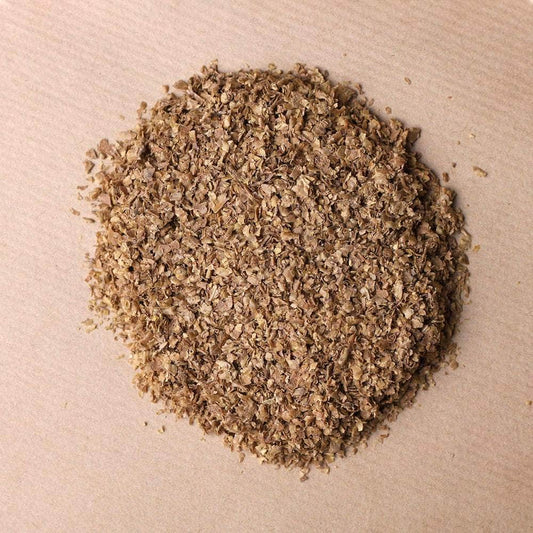
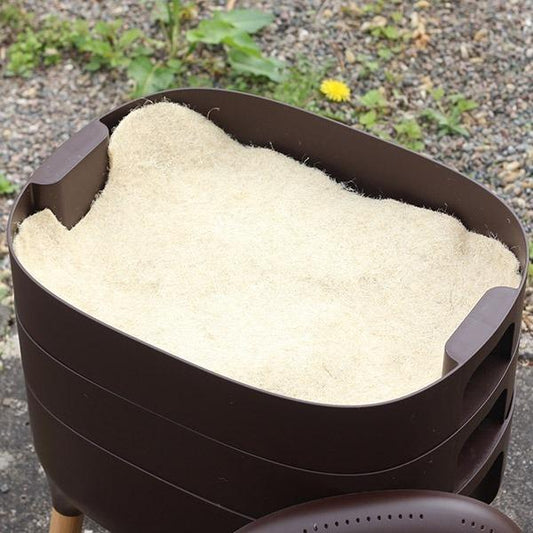
Our Wiggly Coir Blocks (also known as coco coir bricks or coconut fibre blocks) are a simple, reliable way to create a peat-free growing medium for composting, wormeries, seed sowing, and soil improvement.
Each compressed coir block expands with water to produce around 9 litres of soft, airy, moisture-balanced material.
But this isn’t just a coir block.
It’s what makes wormeries work properly, compost behave, and soil improve.
🌱 WHAT IT ACTUALLY DOES
Coir isn’t about feeding plants directly — it’s about structure.
It:
-
holds moisture without becoming waterlogged
-
creates air pockets for worms and beneficial microbes
-
prevents compost turning dense, claggy or smelly
-
improves drainage while still retaining water
-
balances rich materials like worm casts and compost
If your compost is too wet, too compact, or lacking structure — coir fixes it.
🌍 WHY PEOPLE CHOOSE WIGGLY COIR
🌍 100% peat-free growing medium
A sustainable coconut by-product — no peat extraction or habitat damage
💧 Expands instantly with water
Each block produces approx. 9 litres of usable material
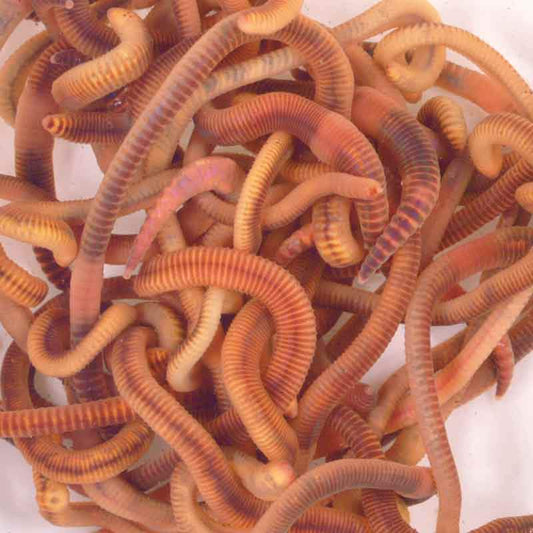
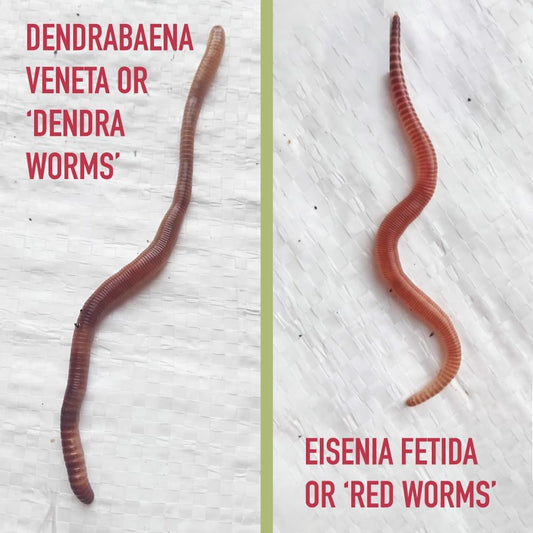
🐛 Ideal worm bedding
Perfect for starting or refreshing wormeries
🌿 Improves compost structure
Adds airflow and balances moisture in compost and worm casts
🪴 Multi-purpose growing medium
Suitable for seed sowing, potting compost, and houseplants
♻️ Clean, lightweight and easy to store
Dry, odour-free blocks with long shelf life
🧠 WHERE YOU USE COIR BLOCKS
Wormeries
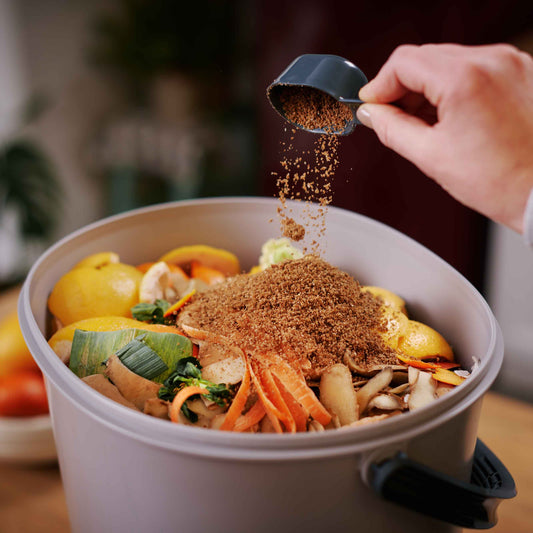
Use as bedding or to correct wet, compacted bins
Bokashi composting
Balances fermented food waste before adding to soil or compost
Compost bins and heaps
Improves airflow and speeds up breakdown
Raised beds and garden soil
Improves structure in heavy or poor soils
Seed trays and propagation
Creates a fine, peat-free compost for seedlings
⚖️ IS THIS JUST A STANDARD COIR BLOCK?
Yes — coir is a natural coconut fibre product.
But not all coir is used in the same way.
This coir is:
-
suitable for composting and wormery systems
-
untreated and safe for soil biology
-
used on a working farm in real compost systems
If you just need a basic potting material, standard coir will work.
If you are composting, keeping worms, or improving soil — this is where coir becomes far more valuable.
WHICH SIZE SHOULD I CHOOSE?
Not sure which coir block pack is right for you? Here’s a simple guide:
Single Block (9L)
Best if you’re just starting out, sowing seeds, or topping up a wormery
Ideal for small jobs or trying coir for the first time
Pack of 6 (54L)
Perfect for regular use
Great for wormeries, compost bins, and mixing your own potting compost
A good balance of value and flexibility
Pack of 24 (216L)
Best value option
Ideal if you have multiple wormeries, large compost systems, or raised beds
Perfect for serious gardeners or anyone using coir regularly
💡 WIGGLY TIP
If you’re unsure, go for the pack of 6 — it gives you enough to use properly without running out too quickly.
If you’re already composting regularly, the pack of 24 will save you money and time.
🔁 HOW MUCH DO I NEED?
As a rough guide:
-
Starting a wormery → 1 blocks
-
Refreshing a wormery → ½ to 1 block
-
Mixing compost → 1 block per batch
-
Seed sowing → 1 block goes a long way
🌍 WHY CHOOSE COIR OVER PEAT
Peatlands are important carbon stores, but traditional compost production has damaged them over time.
Coir offers a peat-free alternative.
It is made from coconut husk fibre — a by-product of the food industry — and provides: