
And if you’re already out there topping up feeders with numb fingers — you’re officially doing it right. 🐦❄️
The Three Best Foods for Birds in Snowy Weather
1. Live Mealworms (Top Priority)

If you do one thing — do this.
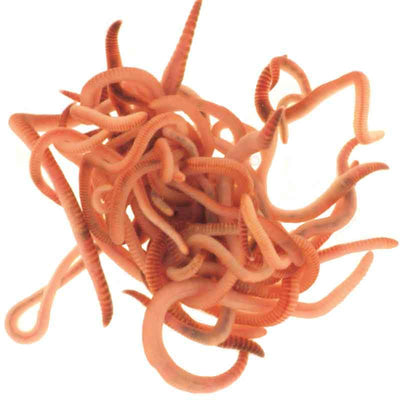
Robins, blackbirds and thrushes are natural insect eaters. Snow wipes insects out overnight. Live mealworms replace what nature’s temporarily removed, and the movement triggers an immediate feeding response.
Dried mealworms?
Fine as an emergency back-up.
Soak them first. Dry insects + cold birds = not ideal.
2. High-Fat Suet

Fat is winter rocket fuel.
Suet helps garden birds survive long, freezing nights when energy loss is brutal. Think central heating… but feathery.
Shop Suet https://www.wigglywigglers.co.uk/collections/fats-suets
3. Husk-Free Winter Seed Mix

Snow and cheap seed are a waste of everyone’s time.
A husk-free Winter Seed Mix is designed specifically for cold weather — no shells, no frozen mess, no wasted effort. Every mouthful counts when it’s cold.
Snow + Garden Birds: Three Simple Actions That Really Matter

Snow looks lovely.
Instagram loves it.
Birds… not so much.
When snow lands, food doesn’t get tricky — it disappears. Seeds are buried, insects clock off entirely, the ground freezes solid and birds burn calories just staying alive. Miss a decent meal in freezing weather and that can be the end of the line.
A robin weighs about the same as two £1 coins.
It does not have emergency rations. Or a duvet.
1. Keep Feeding
Birds rely on your garden in snow, so topping up feeders daily becomes even more important.
2. Clear a Ground-Feeding Patch
Robins and blackbirds don’t do hanging feeders well.
Clear snow from your lawn, patio or under a hedge and scatter a small amount of food there. It’s often the difference between eating and not.
3. Fresh Water Every Day
Birds need water even in snow — for drinking and feather care.
Shallow dish.
Fresh daily.
Lukewarm is fine.
Never add salt.
Final Thought (Before You Put the Kettle On)
Feeding birds in snow is one of the simplest ways to make a real, measurable difference to garden wildlife.
It’s not just a nice thing to do.
It’s a survival intervention.
Same weather.
Same birds.
Much better odds.