
The Case for Making Your Own Living Compost
If you think good health starts in your kitchen, you’re only half right — it actually starts in your soil. The same way your gut relies on trillions of helpful microbes to digest food and boost your immunity, plants rely on soil microbes to feed, protect and grow strong. It’s called the soil–plant–gut connection, and it’s backed by science.
Healthy soil grows nutrient-dense crops, which feed us better, and exposure to living soil microbes can even help build our own microbiome. (That’s the tiny universe of bacteria, fungi and friends that keeps us well.) So if you want healthier food, stronger plants, and a smaller footprint — it’s time to make your own living compost.
⸻
What’s Living Compost?
Living compost is the opposite of those sterile, bagged “soils” from garden centres. It’s alive — full of bacteria, fungi, worms and all the microscopic workers that keep soil ticking.

Making your own compost at home means you’re not just recycling food waste — you’re breeding life. And every handful you add to your garden boosts fertility, structure, and biodiversity. In fact, studies show even a single application of good compost can change a soil’s microbial make-up for months.
⸻
Why It’s Good for You (and Your Garden)
• Better nutrition: Plants grown in healthy soil often contain more trace minerals and antioxidants.
• Fewer chemicals: Compost-fed soil needs less fertiliser and pesticide.
• Resilience: Soils rich in organic matter hold water better and bounce back from drought or deluge.
• Happier microbes: Microbial diversity in soil mirrors the diversity we need in our guts.
In short — better soil, better plants, better people.
⸻
Bokashi: Ferment Your Scraps

Bokashi is a fermentation method — a bit like making sauerkraut, but for your leftovers. You layer kitchen waste in a sealed bin and sprinkle it with live bokashi bran (packed with beneficial microbes). Within a few weeks it ferments, producing a pre-compost and a magical liquid fertiliser.
It can handle most food waste (even small bits of meat and dairy), doesn’t smell bad (think pickled rather than rotten), and works year-round indoors. Once fermented, bury it in soil or add it to your wormery — the microbes finish the job.
Wiggly Tip: Dilute the bokashi liquid (about 1:100) and use it to feed your houseplants or compost heap. It’s powerful stuff!
More info on Bokashi Composting here https://www.wigglywigglers.co.uk/collections/bokashi-composting
⸻
Worm Composting: Nature’s Recycler

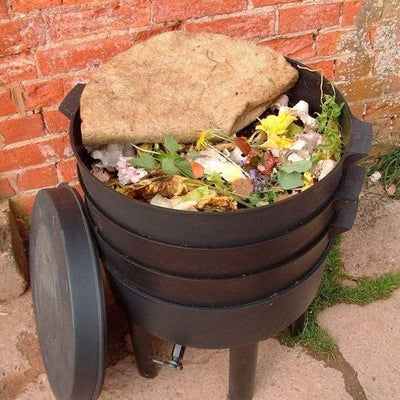
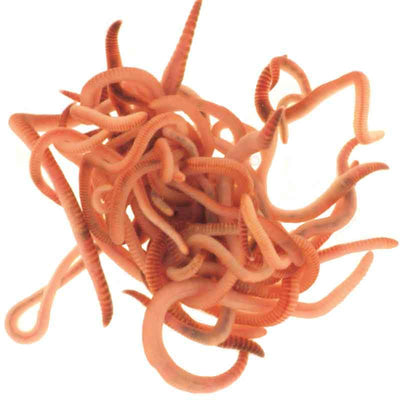
Worms are the unsung heroes of soil health. In a wormery, composting worms (usually Eisenia fetida or Dendrobaena veneta) munch through scraps, producing rich worm castings — basically worm-made fertiliser that smells like forest soil and works like rocket fuel for your plants.

Vermicompost is proven to improve soil structure, nutrient retention, and even suppress plant disease. And watching worms work is weirdly addictive (and far more useful than scrolling social media).
Wiggly Tip: Mix some bokashi pre-compost into your worm bin. Worms love it, and it speeds things up.
Learn more here https://www.wigglywigglers.co.uk/collections/worm-composting
⸻
The Big Picture
Every time you compost, you’re part of a much bigger picture: turning waste into wellness. You’re cutting methane emissions, feeding your soil, and strengthening that invisible thread between land and life.
When you next eat a tomato or pull up a carrot, remember — your health and your soil’s health aren’t separate stories. They’re the same one, told from different ends of the food chain.
So start small. Grab a bokashi bucket or a wormery, chuck in your scraps, and join the regenerative revolution — from your kitchen to your compost heap.